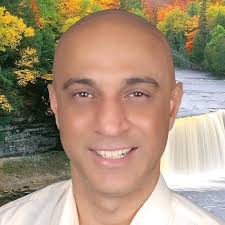
Atul Mehra’s Work in Integrative Healing Bridging Eastern Philosophy and Western PsychotherapyA Story by Adam Brown Atul Mehra’s Work in Integrative Healing Bridging Eastern Philosophy and Western Psychotherapy 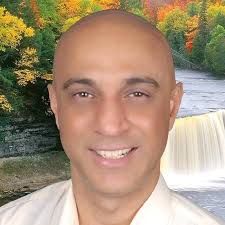 Atul
Kumar Mehra’s professional journey reflects a sustained effort to understand
the human mind through multiple lenses. Over the years, his work has evolved at
the intersection of Eastern philosophical traditions and Western
psychotherapeutic practice. Rather than treating these traditions as opposing
systems, Mehra has explored how they can complement one another to support
emotional well-being, personal clarity, and psychological growth. His approach
has become an integrative framework that values both structured therapeutic
understanding and inner awareness, offering individuals a balanced way to
explore emotional challenges with depth and perspective. In
a typical therapeutic setting, Mehra may begin by inviting a client to describe
a specific emotional concern. This concern is explored using established
psychotherapeutic methods, such as examining thought patterns and identifying
emotional triggers, while also encouraging the client to notice their internal
experience with greater awareness. Through this process, individuals gain
insight into how their thoughts, emotions, and reactions interact and learn to
relate to their emotional state with patience rather than judgment. This
combined approach allows clients to engage with emotional difficulties through
both analytical understanding and reflective awareness. From
the early stages of his career, Mehra was drawn to questions about emotional
suffering, resilience, and transformation. He was interested in why individuals
respond differently to similar life challenges, and how some people find
clarity and stability after difficult experiences while others remain caught in
recurring emotional patterns. His exposure to Eastern philosophy introduced him
to principles such as presence, self-observation, acceptance, and conscious
awareness of inner experience. These ideas emphasized understanding the mind
from within and encouraged thoughtful reflection rather than immediate
reaction. As
his professional training expanded, Mehra immersed himself in Western
psychotherapy, where emotional distress is addressed through structured models
that examine cognitive patterns, behavioural habits, relational dynamics, and
early life experiences. This training provided practical tools for identifying
psychological patterns and for understanding how unresolved emotional
experiences shape present behaviour. Through this dual engagement, Mehra
recognized that while both Eastern and Western traditions offer valuable
insights, neither alone provides a complete understanding of emotional healing. This
realization laid the foundation for his integrative approach. Mehra began
developing a model that respects the clinical rigour of Western psychotherapy
while also acknowledging the experiential depth emphasized in Eastern
philosophy. Rather than applying philosophical ideas in abstract or
prescriptive ways, he integrates them thoughtfully into therapeutic work,
keeping them grounded in the client’s lived emotional experience. This balance
allows individuals to develop insight without feeling overwhelmed or pressured
to adopt unfamiliar belief systems. In
his therapeutic practice, Mehra is known for maintaining a steady, reflective
pace. He emphasizes creating an environment where individuals feel emotionally
safe and supported. Sessions are structured to allow space for exploration,
encouraging clients to observe their thoughts and emotions without immediate
judgment. This approach often helps individuals recognize long-standing
emotional patterns, identify triggers, and understand how past experiences
shape present responses. Eastern
philosophical principles, such as mindful awareness and acceptance, are
introduced with intention and clarity. Rather than being framed as techniques
to suppress distress, these principles are presented as tools for cultivating a
clearer, more compassionate relationship with internal experience. For example,
a client may be guided through a simple mindfulness exercise focused on
observing the breath, allowing thoughts and emotions to arise without reaction.
This practice fosters non-reactive awareness, which can help individuals face
emotional challenges with greater stability. Alongside this, Mehra applies psychotherapeutic
methods, such as cognitive restructuring, to help clients identify and
challenge unhelpful thought patterns, supporting behavioural change, emotional
regulation, and cognitive flexibility. A
defining feature of Mehra’s work is his emphasis on balance. He views emotional
healing as a process that requires both understanding and participation.
Insight into emotional patterns fosters awareness, but sustained change comes
through practical engagement in daily life. His approach encourages individuals
to reflect on their inner experiences and develop strategies for responding
differently to emotional challenges as they arise. This integration supports a
form of healing that is both reflective and functional. Mehra’s
influence extends beyond individual therapy sessions. Through his writing,
speaking, and educational initiatives, he addresses broader themes of emotional
well-being in contemporary society. He examines how modern lifestyles
contribute to psychological stress, highlighting the effects of constant
stimulation, social comparison, and limited opportunities for rest and
reflection. His work emphasizes the importance of staying emotionally grounded
in environments that often prioritize speed and productivity over internal
balance. An
important aspect of Mehra’s perspective is his belief that emotional strength
does not develop by avoiding discomfort. Instead, he suggests that resilience
emerges from learning to meet difficult emotions with clarity, patience, and
self-awareness. This viewpoint challenges cultural narratives that equate
well-being with the absence of emotional pain, emphasizing the role of
emotional experiences in personal growth and psychological maturity. Mehra’s
integrative approach has resonated with individuals across diverse cultural,
professional, and personal backgrounds. His work does not rely on rigid
frameworks or standardized solutions; instead, it adapts to each person's
unique emotional history and circumstances. Whether working with individuals
navigating anxiety, grief, or persistent emotional uncertainty, he emphasizes
respect for personal experience and emotional complexity. This flexibility
reflects his belief that while emotional challenges are universal, their
meaning and expression are individual. His
professional journey has also influenced emerging practitioners in the mental
health field. Mehra’s work shows how openness to multiple traditions can enrich
therapeutic practice without compromising ethical or clinical standards. By
maintaining a reflective stance and a commitment to ongoing learning, he
represents an approach to mental health that values curiosity, humility, and
responsibility. Opportunities to engage with his work include workshops,
seminars, and published materials that explore his integrative perspective in
depth. Today,
Atul Mehra’s work stands as an example of integrative psychological practice
that bridges philosophical insight and clinical understanding. His contribution
reflects a long-term commitment to exploring emotional well-being in a
thoughtful, grounded, and responsive way, attuned to the complexities of modern
life. By blending Eastern philosophy with Western psychotherapy, his work
offers a framework that supports both inner awareness and practical change,
equipping individuals to navigate emotional challenges with greater clarity and
balance. © 2026 Adam Brown |
Stats
24 Views
Added on March 11, 2026 Last Updated on March 11, 2026 |

 Share This
 Email
Email Facebook
 Twitter
 Read Request
 My Library
 Subscribe
 Flag Writing