Stuart Rodriguez awoke on a military cot in the midst of chaos. He was in a field hospital, having been severely wounded by an enemy ambush.
Stuart was nineteen years old, and had taken the lives of three men. He had been involved in the fighting for only two and a half months.
Stuart was not the sole casualty. All around Stuart were soldiers of every kind: Trojan warriors, Confederate soldiers, Japanese kamikazes, Central American Guerillas. Wounded soldiers. Dying soldiers. Figments of his mind? Perhaps…yet, they all seemed to share a common consciousness with Stuart. Men that had killed others and had been killed and maimed. Their history was as real and present as Stuart’s own, what they had lived through just as relevant as Stuart’s own current suffering.
They were no different from Stuart. Same men, same boys, with different wrappings. All soldiers. All war-fodder. All commanded by their mothers and countries to return with their shields or upon them. No retreat, only victory or death. Hadn’t his own mother told him the very same thing? “If you’re going to go to war you had better make me proud. No running away, no killing other women’s children and finding that you don’t have the heart to stand up to death and accept him. I swear to God, if I’ve raised a coward…” With your shield or upon it.
Nothing has changed.
Stuart’s hallucinations were all too real. He was seeing his comrades. His imagination tried to save what little remained of his sanity. He was watching his friends writhe in agony from their horrendous wounds, and it wasn’t something his already twisted psyche could handle. And he couldn’t help them, he couldn’t relieve their suffering and their all but certain and painful deaths, but he could warp them in his mind. Turn them into valiant and honorable Greek Phalanx’s, to make him feel as though they weren’t just another batch of government sponsored military grunts, that they were fighting for their mighty, righteous empire. But there was no honor here. No valiance. There never had been.
Things have not changed.
Stuart did not get the opportunity to return to combat. He had been permanently disfigured; his left foot had been blown completely off, leaving a clean stump perfect for the fitting of a prosthetic foot. Stuart had only wished that he had lost his leg from the knee down, then he could wear a wooden peg and stomp around, displaying his grotesqueness everywhere he went. But instead he got a simply prosthetic foot. A sterile, flesh colored piece of plastic that nearly looked real.
Stuart had been injured, but hardly in a heroic or gruesome manner. He could bare no outward reflection of his inner warpedness. Every evil and unnatural demon lived entirely inside of him. And, as Stuart decided, the only way to bring that demon out and show the world was to tell others. To get into their brains and make them feel what he had. To show them what only two and half months, three victims, and a missing foot had made him. For is Stuart were to proclaim that he had fully become a sub-human with such a sparse resume of insanity, what did that mean for the others who had remained in the military longer? What did that mean of those that had made their life’s work the act of waging war?
Stuart would write a book. With his words Stuart would join the chorus of thousands of others and change the course of human actions. This was no lofty idealism to Stuart, this was an all too real and achievable goal. He would create monsters, angels, and heroes on the page to awaken his fellow citizens. They would read his novels and penetrate his metaphors to see the true horrors of unchecked power and war. And his voice would not be alone.
He spent three months of non-stop work on his novel, vigorously editing and researching, revising and rewriting. He slept little and ate less. The completion of his novel was of the utmost importance. It was 42 chapters and 346 pages long. It was called Going to Hell; or the Anti-Glacier Guide. Fiction was going to be the harbinger of death for war and brutality, not diplomacy or economics, but fiction.
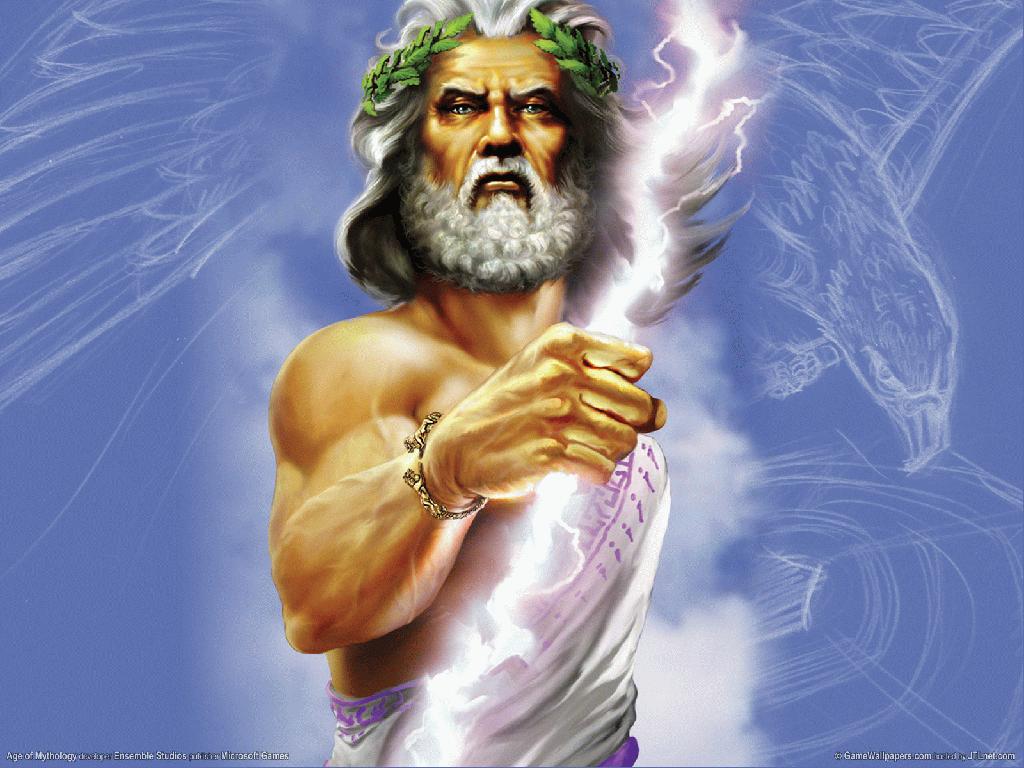
“Like thunderbolts from Zeus, the bombs stuck the landscape and blasted infinite craters in the ground. The rage of the gods was incarnate in the unceasing attack. The deities of Mount Olympus were infuriated with men. Did they not already have fire, the gift of Prometheus? How had they become so bold as to desire more? But the gods had a solution to this, as they had to all things. They would inspire madness. They would remove the chivalry and righteousness from primal battle. War would be fought with nerve gas and flamethrowers over which country had the rights to possess such weapons. Men would kill without knowing why, knowing who or what they were killing, and would revel in it.”
This was the novel that would find its way into the hands of senators and generals, this was the piece of literature that would succeed where no other had, this book was going to defeat war, Stuart thought.
Stuart never got the opportunity to publish his novel. His country had lost the war. Enemy bombers had broken through all lines of defense. His city, his home, and his book were struck with the very thunderbolts of Zeus he had tried to eliminate through fiction.
Stuart died without a shield to lie upon. Without a home to be carried back to and buried at. His country had lost the war, and Stuart died a crippled veteran who had never gotten a chance to save the world.




 Share This
 Email
Email Facebook
 Twitter
 Read Request
 My Library
 Subscribe
 Flag Writing