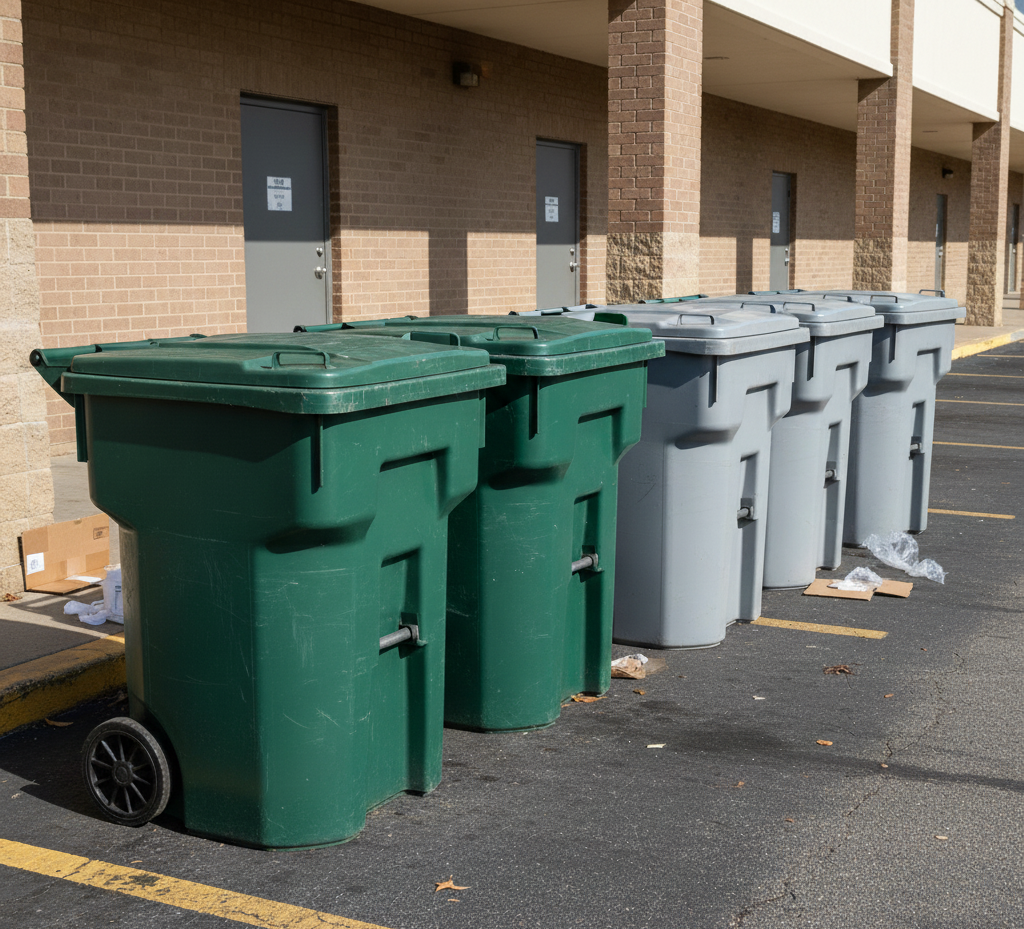
The Evolution of Commercial Waste Management in AmericaA Story by Pujitha Reddy The commercial waste bin industry has matured from a purely functional necessity into a dynamic sector where technology, design, and environmental stewardship intersect. A Growing Industry Responding to Modern NeedsThe landscape of commercial waste management in the United States is undergoing a remarkable transformation. What was once a straightforward industry focused solely on collection and disposal has evolved into a sophisticated market driven by technology, sustainability, and changing workplace expectations. The commercial waste bin sector is experiencing steady expansion, with industry valuations climbing from approximately $192 million in 2023 toward an anticipated $258 million by the end of the decade. This growth trajectory, averaging just over 5% annually, reflects broader shifts in how American businesses approach waste management. The Smart Revolution in Waste ManagementOne of the most exciting developments reshaping the industry is the emergence of intelligent waste collection systems. These next-generation containers go far beyond simple receptacles, incorporating sensors and connectivity features that fundamentally change waste management operations. Modern smart containers can monitor their fill levels in real-time, sending alerts when collection is needed. This technology eliminates the inefficiency of scheduled pickups for bins that aren't full while preventing the hygiene issues associated with overflowing containers. Some advanced models even include fire detection capabilities and automatic compaction features, maximizing capacity while enhancing safety. Shopping centers, office buildings, educational campuses, and healthcare facilities are leading the adoption of these innovative solutions. The investment pays dividends through optimized collection routes, reduced labor costs, and improved cleanliness standards. Sustainability Takes Center StageEnvironmental consciousness is no longer optional for American businesses�"it's become a core expectation from customers, employees, and regulators alike. This shift is dramatically increasing demand for specialized recycling containers across commercial settings. Organizations are investing in multi-stream waste separation systems that make it easy for people to sort materials like paper, plastics, metals, and glass. This trend is fueled by multiple factors: stricter municipal recycling mandates, financial incentives for waste diversion, corporate responsibility initiatives, and the pursuit of green building certifications. Educational institutions, airports, restaurants, and office complexes are particularly focused on implementing comprehensive recycling programs. Many companies view robust recycling infrastructure as essential to their sustainability commitments and brand identity. Material Preferences and Design TrendsWhen it comes to construction materials, plastic dominates the commercial waste bin market, accounting for nearly three-quarters of all sales. The reasons are practical: plastic containers offer an unbeatable combination of affordability, durability, and low maintenance requirements. These containers resist corrosion, come in diverse colors for waste stream identification, and handle both indoor and outdoor environments effectively. Their lightweight nature simplifies handling and repositioning, while their ease of cleaning appeals to facilities managers concerned with hygiene standards. Metal containers maintain a strong presence in premium applications and high-traffic areas where durability is paramount, though their higher cost and maintenance needs limit broader adoption. Industry-Specific DemandsDifferent sectors have unique waste management requirements that drive container selection and purchasing patterns. The retail sector leads the market in terms of volume, dealing with constant challenges of high foot traffic, diverse waste types, and the need to maintain aesthetic standards. Retailers increasingly seek containers that blend seamlessly with store design while offering multiple compartments for different waste streams. The hospitality and entertainment industries generate substantial waste volumes from food service, packaging, and general guest activities. Hotels, restaurants, theme parks, and event venues require robust waste management infrastructure to handle this flow while maintaining the cleanliness standards guests expect. Healthcare facilities, educational institutions, and office environments each bring their own requirements around capacity, hygiene features, and compliance with health and safety regulations. The Shopping ExperienceDespite the growth of e-commerce, traditional retail channels remain the preferred purchasing path for commercial waste containers. Major retailers, hardware stores, and specialty suppliers dominate sales through their ability to offer hands-on product evaluation, customization consultations, and bulk purchasing arrangements. Large buyers such as facility management companies, educational institutions, and retail chains often prefer working directly with suppliers to negotiate pricing and specify custom requirements around colors, logos, and capacity. The personalized service and after-sales support available through these channels continues to provide significant value. Innovation SpotlightsSeveral manufacturers are pushing the boundaries of what waste containers can do. Recent product launches include outdoor containers made entirely from recycled content, modular systems that allow flexible configuration based on space constraints, and bins designed specifically for high-visibility areas where aesthetics matter as much as function. Manufacturing operations are expanding domestically, creating local jobs while reducing supply chain vulnerabilities. Partnerships between container manufacturers and environmental organizations are also emerging, linking product sales to ocean plastic recovery efforts. Challenges and ConsiderationsThe industry isn't without its obstacles. Maintenance requirements remain a persistent concern, particularly for containers handling food waste or organic materials. Odor control, regular cleaning schedules, and managing wear and tear all require ongoing attention and resources. Labor costs associated with maintenance can be significant, especially in environments with high sanitation standards like hospitals and restaurants. Some organizations underestimate these operational expenses when making purchasing decisions, leading to budget challenges down the road. Looking AheadThe future of commercial waste management appears increasingly technology-driven and sustainability-focused. As artificial intelligence and IoT connectivity become more affordable, expect to see continued innovation in smart container features and data analytics capabilities. Regulatory pressure around waste diversion and recycling will likely intensify, pushing more businesses toward sophisticated waste separation systems. Consumer expectations around corporate environmental responsibility show no signs of diminishing, ensuring that waste management remains a visible priority for brands across all sectors. The industry is also likely to see continued material innovation, with manufacturers exploring bio-based plastics, enhanced durability coatings, and designs optimized for circular economy principles. © 2025 Pujitha Reddy |
Stats
19 Views
Added on November 20, 2025 Last Updated on November 20, 2025 |

 Share This
 Email
Email Facebook
 Twitter
 Read Request
 My Library
 Subscribe
 Flag Writing