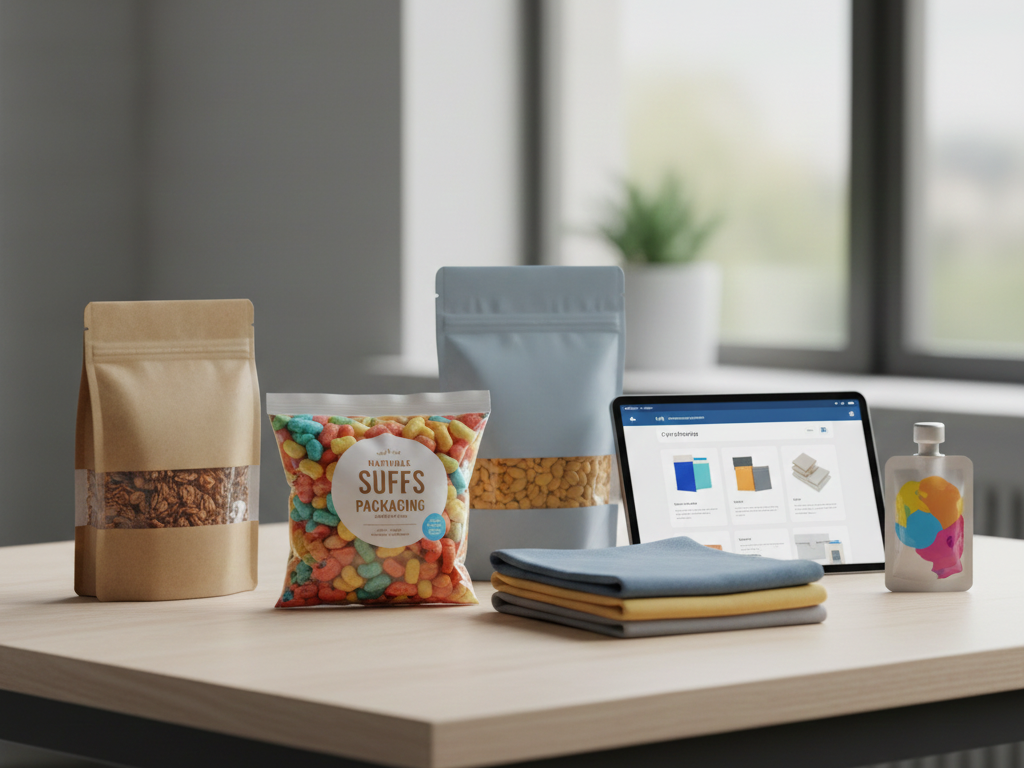
The Evolution of Flexible Packaging: Sustainability Meets InnovationA Story by Pujitha Reddy As consumers increasingly prioritize sustainability, and as regulations push for reduced plastic waste, flexible packaging continues evolving. The packaging industry is experiencing a remarkable transformation, with flexible packaging emerging as a game-changer across multiple sectors. From the food we eat to the medicines we take, this versatile packaging solution is reshaping how products reach consumers while addressing critical environmental concerns. Why Flexible Packaging is Winning Over IndustriesThink about the last time you grabbed a pouch of coffee or a resealable snack bag. That convenient packaging represents a broader shift happening across food, pharmaceutical, and personal care sectors. The appeal is straightforward: flexible packaging offers adaptability that rigid containers simply cannot match. What makes this packaging format particularly compelling is its environmental advantage. Consider this striking example: switching from traditional glass jars to flexible pouches can reduce packaging weight by an impressive 90%. This dramatic reduction translates directly into lower transportation costs and significantly reduced carbon emissions�"a win for both businesses and the environment. The Global LandscapeThe international trade of flexible packaging materials reveals interesting patterns. The United Kingdom currently leads worldwide imports with over 45,000 shipments, demonstrating the format's strong adoption in developed markets. The United States follows with approximately 32,000 shipments, while South Africa rounds out the top three with nearly 15,000 shipments. Innovation Driving the Industry ForwardSustainability Takes Center StageThe most exciting developments in flexible packaging center on sustainability. Recent industry collaborations are producing recyclable paper-film laminates that maintain performance while reducing environmental impact. These innovations reflect a broader movement toward circular economy principles, where materials are designed from the outset to be recovered and reused. Major brands are taking notice. Some global confectionery companies have already launched paper-based packaging across Latin America and Asia-Pacific regions, responding to both regulatory requirements and consumer preferences for eco-friendly options. Smart Technology IntegrationArtificial intelligence and robotics are revolutionizing how flexible packaging is designed and deployed. Large e-commerce platforms now use AI algorithms to determine when flexible packaging works better than traditional cardboard boxes. These intelligent systems optimize material usage, streamline logistics, and boost operational efficiency�"all while reducing waste. E-Commerce Fuels DemandThe explosive growth of online shopping has created unprecedented demand for packaging that can protect diverse products during shipping. With the United States hosting over 2.5 million e-commerce sites, and similar expansions in China and the UK, the need for lightweight, customizable packaging solutions continues climbing. Material Science MattersDifferent materials serve different purposes in flexible packaging. Polyethylene remains extremely popular due to its flexibility and resistance to chemicals, commonly appearing in bags, bottles, and films. The market for polyethylene-based flexible packaging exceeded 17 million tons in 2024 and continues growing steadily. Meanwhile, biaxially oriented polypropylene (BOPP) brings clarity, strength, and moisture resistance to applications ranging from food to pharmaceuticals. Paper-based flexible packaging is gaining significant ground as a sustainable alternative, particularly for snacks, bakery items, and dry foods. Real-World ApplicationsConsumer Goods Lead the WayBakery and confectionery products generated over 35 billion dollars in flexible packaging revenue in 2024 alone. These items require packaging that maintains freshness, prevents contamination, and catches the consumer's eye�"all challenges that flexible formats address effectively. Healthcare applications are equally significant, with specialized packaging ensuring sterility and safety for medical products. The sector generated more than 15 billion dollars, driven by demand for tamper-evident seals and high-barrier materials that protect sensitive medical items. Industrial Applications GrowBeyond consumer goods, industrial applications are expanding through heavy-duty solutions for bulk transport. Form-fill-seal bags and industrial liners are gaining traction as infrastructure projects increase and international trade of raw materials grows. Regional DynamicsThe Asia-Pacific region currently dominates the flexible packaging market, accounting for over 76 billion dollars in revenue. This leadership stems from rising middle-class populations, increasing urbanization, and growing demand for packaged food, beverages, and personal care products. Europe is experiencing its own evolution, driven by strict environmental regulations. Recent legislation targeting single-use plastic has prompted manufacturers to pivot toward recyclable mono-materials and reusable formats. North America's market is growing steadily, fueled by e-commerce expansion and initiatives like frustration-free packaging programs that prioritize sustainability and efficiency. Brazil is emerging as the fastest-growing market in Latin America, propelled by e-commerce growth and a booming food and beverage sector. Challenges on the HorizonDespite its advantages, the flexible packaging industry faces several hurdles. Raw material costs have risen sharply�"polyethylene and polypropylene prices increased approximately 15% in early 2024 due to supply chain disruptions. This pressure forces manufacturers to explore material-efficient designs and alternative substrates. Recycling remains complex. The multi-material composition of many flexible packages makes separation difficult, and specialized sorting equipment can cost upwards of 300,000 dollars. While some mono-material packaging proves technically recyclable, actual recovery rates vary widely due to infrastructure limitations. Biodegradable alternatives face their own challenges. While cellulose-based materials show promise for certain applications, they can result in higher moisture transmission and product weight loss compared to traditional plastics�"a tradeoff that doesn't work for every product. The Road AheadThe flexible packaging industry stands at an exciting crossroads. Companies are consolidating through mergers and acquisitions to achieve greater scale and technological capabilities. Recent deals, like the collaboration between major packaging firms to develop recyclable solutions, signal an industry committed to innovation. Looking forward, success will require balancing multiple priorities: environmental sustainability, product protection, cost effectiveness, and consumer convenience. The companies that master this balance�"creating packaging that's lighter, stronger, more sustainable, and more functional�"will define the industry's future. © 2025 Pujitha Reddy |
Stats
26 Views
Added on November 24, 2025 Last Updated on November 24, 2025 |

 Share This
 Email
Email Facebook
 Twitter
 Read Request
 My Library
 Subscribe
 Flag Writing