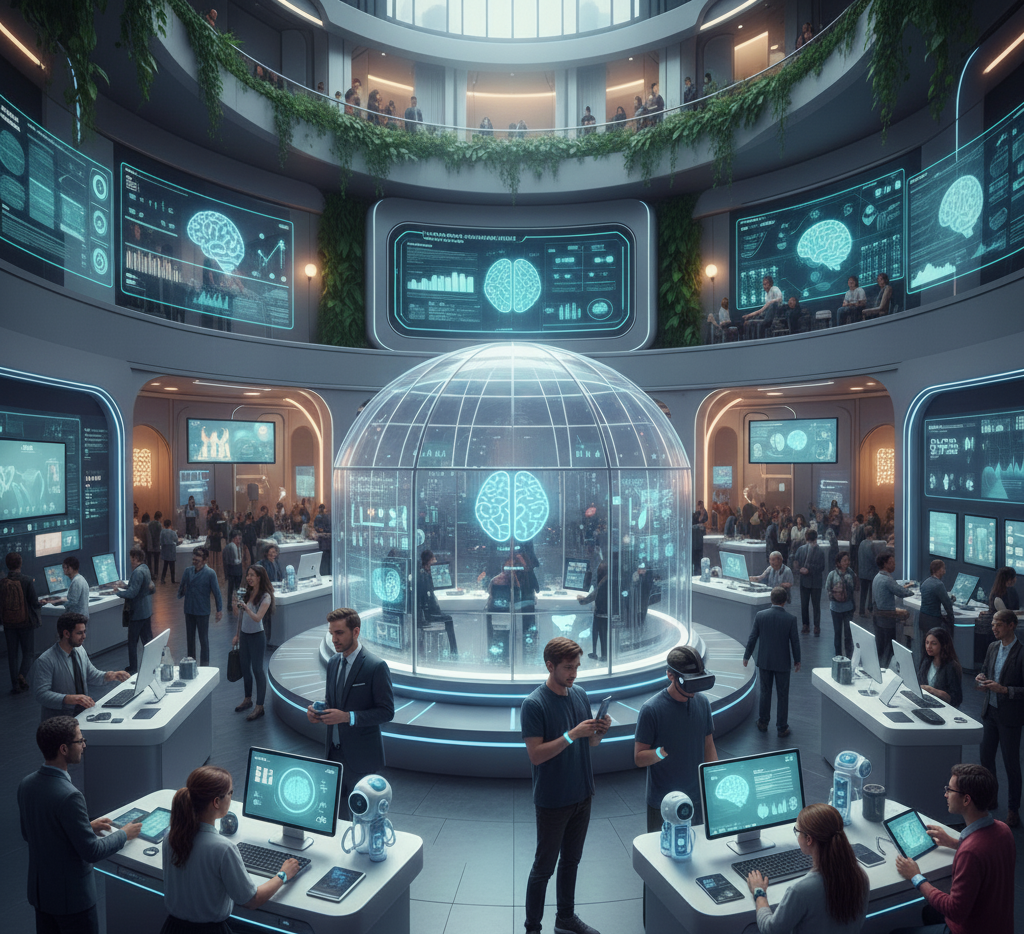
Digital Minds: How Technology Is Reshaping Mental HealthcareA Story by Pujitha Reddy Mental health technology represents more than a market opportunity; it's a lifeline for millions facing psychological challenges. In an era where we can order groceries with a tap, stream entertainment on demand, and connect with anyone across the globe instantly, it was only a matter of time before mental healthcare joined the digital revolution. Today, that transformation is well underway, and it's changing lives in profound ways. The Digital Mental Health BoomThe mental health technology sector is experiencing explosive growth. Valued at roughly $15 billion in 2024, the industry is projected to surge past $30 billion by 2030�"essentially doubling in just six years. This represents an annual growth rate approaching 13%, signaling massive confidence in digital solutions for psychological wellbeing. Why the meteoric rise? The answer is multifaceted: mental health is finally shedding its historical stigma, affordable solutions are desperately needed, and technology offers unprecedented scalability. Traditional therapy models simply cannot meet current global demand, but digital platforms can reach millions simultaneously. The New Face of Mental HealthcareAlways-On AI Companions: Imagine having a therapist available at 3 AM when anxiety strikes. AI-powered chatbots and virtual therapists are making this a reality. These sophisticated programs use natural language processing and machine learning to engage in conversations that feel remarkably human. They provide immediate, judgment-free support for everything from daily stress to deeper emotional struggles. Therapy Without Boundaries: Teletherapy exploded during the pandemic and never looked back. Virtual counseling platforms now connect patients with licensed professionals regardless of geographic limitations. This is transformative for rural communities and underserved populations who previously lacked access to quality mental health services. The convenience of connecting from home has also reduced barriers for those who felt uncomfortable with traditional office visits. Your Wrist as a Mental Health Monitor: Wearable technology has evolved beyond counting steps. Devices like smartwatches and fitness trackers now monitor physiological signals�"heart rate variability, sleep quality, stress indicators�"that correlate with mental health status. These metrics provide early warning signs of psychological distress and enable real-time intervention strategies. The integration of wearables with mental health platforms creates a proactive rather than reactive approach to emotional wellbeing. Mental Wellness in Your Pocket: Mobile applications for mental health have become a mainstream phenomenon. Platforms offering guided meditation, mood tracking, cognitive behavioral therapy exercises, and personalized wellness plans have attracted millions of users worldwide. Their affordability, ease of use, and on-demand accessibility make them ideal for daily mental health maintenance. What's Fueling This Revolution?Breaking the Silence: Perhaps nothing has accelerated this market more than changing attitudes toward mental health. Public conversations, social media advocacy, workplace wellness programs, and celebrity openness have collectively dismantled decades of stigma. People now feel empowered to seek support earlier and more openly, creating fertile ground for digital solutions. Institutional Support: Governments and international organizations are throwing their weight behind mental health technology. The World Health Organization has championed global mental wellness initiatives, while nations like the United Kingdom and Australia have integrated digital mental health platforms into their public healthcare systems. NGOs are deploying these tools in underserved regions worldwide. This institutional legitimacy has accelerated adoption dramatically. Universal Connectivity: The ubiquity of smartphones and affordable internet access has been revolutionary. Billions of people�"many in remote or resource-limited areas�"now have devices capable of delivering sophisticated mental health interventions. This infrastructure democratizes access in ways previously unimaginable. The Mental Health Crisis: Rising rates of anxiety, depression, and stress-related disorders have created urgent need. Traditional healthcare systems are overwhelmed, unable to provide timely care to everyone who needs it. Technology-driven solutions offer the scalability required to address this growing burden efficiently. © 2025 Pujitha Reddy |
Stats
34 Views
Added on December 15, 2025 Last Updated on December 15, 2025 |

 Share This
 Email
Email Facebook
 Twitter
 Read Request
 My Library
 Subscribe
 Flag Writing