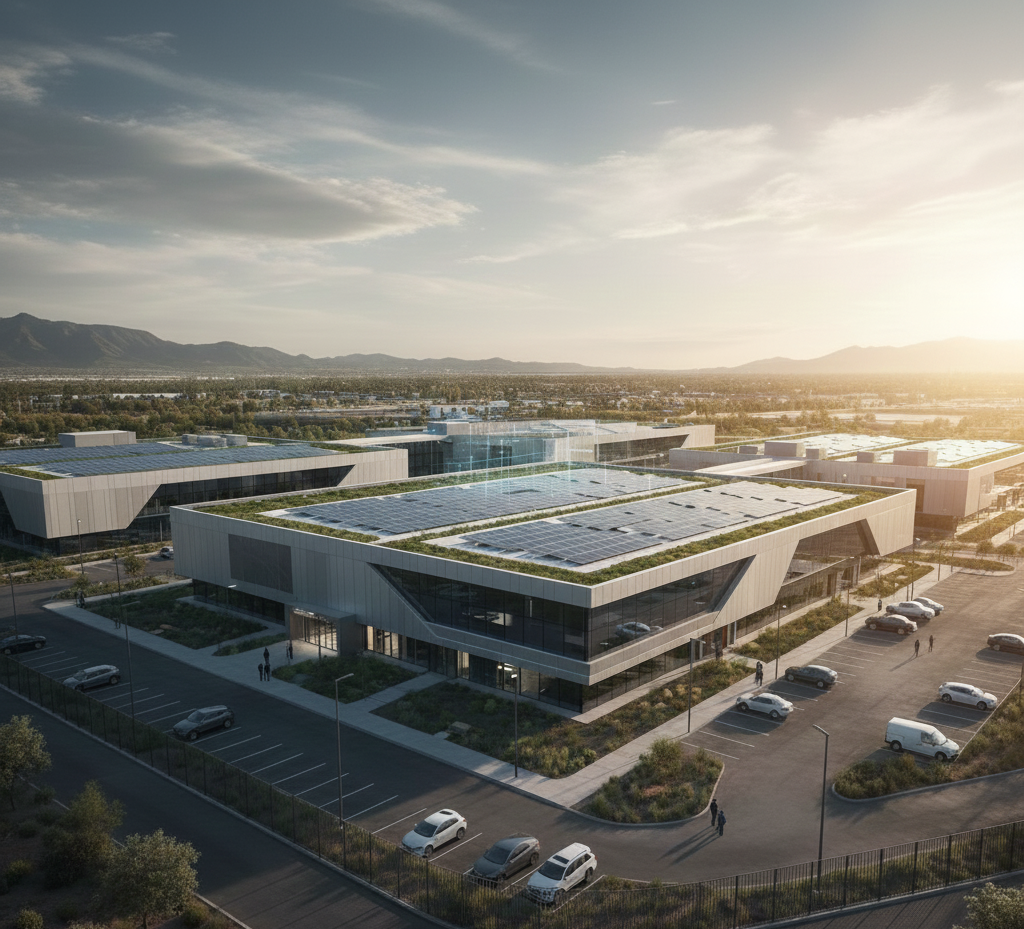
Mexico's Data Center Boom: A Rising Digital Infrastructure HubA Story by Pujitha Reddy Mexico's data center market stands poised for continued expansion, supported by strong fundamentals including strategic geography, robust connectivity, and growing domestic digital demand. The digital infrastructure landscape in Latin America is experiencing remarkable transformation, and Mexico stands at the forefront of this evolution. As businesses worldwide accelerate their digital strategies, Mexico has emerged as a critical player in the data center industry, attracting billions in investment and hosting major cloud providers. A Market on the MoveMexico's data center sector is experiencing explosive growth, with projections indicating the market will reach $2.26 billion in investments by the decade's end. This represents annual growth exceeding 13%, positioning the country as one of the region's most dynamic digital infrastructure markets. The momentum reflects broader trends in cloud adoption, digital transformation initiatives, and the growing need for robust cross-border connectivity. What makes this growth particularly noteworthy is the shift in market composition. Currently, retail colocation services dominate the landscape, accounting for roughly three-quarters of revenue. However, industry analysts anticipate a significant rebalancing, with wholesale colocation expected to capture approximately 40% of the market by 2030. This transition signals maturing infrastructure and increasing interest from large-scale cloud providers and hyperscale operators. Strategic Advantages Driving GrowthMexico's appeal as a data center destination stems from several compelling factors. Perhaps most significant is its geographic proximity to the United States, which enables faster data transmission, seamless collaboration, and reduced latency for cross-border operations. The deep economic relationship between these neighboring countries further catalyzes technology investments and telecommunications advancement. The country has also achieved a milestone that underscores its infrastructure maturity: Mexico now ranks as the second nation in Latin America to host dedicated cloud regions from all three major global providers�"Amazon Web Services, Microsoft Azure, and Google Cloud. This distinction places Mexico in an elite category, demonstrating the confidence these technology giants have in the country's digital infrastructure ecosystem. Connectivity and Infrastructure DevelopmentMexico's digital backbone extends far beyond its borders through an impressive network of submarine cables. Currently, seven major undersea cables connect the country to Colombia, the United States, Brazil, Panama, Costa Rica, and other nations. This existing infrastructure will soon expand significantly, with four additional submarine cables scheduled for deployment within the next few years, further enhancing global connectivity and redundancy. Regional hubs are also emerging to support this growth. Queretaro has established itself as the nation's premier data center location, experiencing substantial infrastructure development. The city's appeal has attracted cloud providers from both Chinese and American markets, recognizing its strategic value as businesses increasingly rely on digital infrastructure. Market Dynamics and ChallengesWhile growth prospects remain strong, the industry faces certain headwinds. Development costs have risen sharply, with construction expenses in key markets like Queretaro increasing by more than 23% year-over-year. Multiple factors contribute to these escalating costs, including supply chain disruptions, inflationary pressures, and higher interest rates. Industry experts anticipate continued annual cost increases as these challenges persist. Despite these obstacles, investment continues flowing into the market. Both established operators and new entrants are committing substantial resources to expand their Mexican footprint. The competitive landscape includes prominent global players alongside regional specialists, creating a diverse ecosystem that serves various customer segments from retail clients to hyperscale operators. Innovation and ExpansionRecent developments highlight the sector's vitality. Google's December 2024 launch of its Queretaro cloud region exemplifies the ongoing infrastructure buildout. This new facility, featuring three availability zones, is projected to contribute over $11 billion to Mexico's GDP by 2030, demonstrating how data center investments generate broader economic benefits. Major operators are announcing ambitious expansion plans, with multiple facilities currently under construction or in planning phases. These projects, concentrated in strategic locations like Queretaro, are expected to come online over the next several years, substantially increasing the country's digital infrastructure capacity. Regulatory Framework and Industry OrganizationSupporting this growth is a structured regulatory environment. The Mexican Data Center Association serves as a non-profit organization providing guidance and standards for the technology sector, helping ensure quality and consistency across the industry. This organizational framework provides stakeholders with clear guidelines and promotes best practices throughout the ecosystem. © 2025 Pujitha ReddyReviews
|
Stats
31 Views
1 Review Added on December 18, 2025 Last Updated on December 18, 2025 |

![[send message]](http://slow.writerscafe.org/images/mail.png)
![[befriend]](http://slow.writerscafe.org/images/friend.png)


 Share This
 Email
Email Facebook
 Twitter
 Read Request
 My Library
 Flag Writing