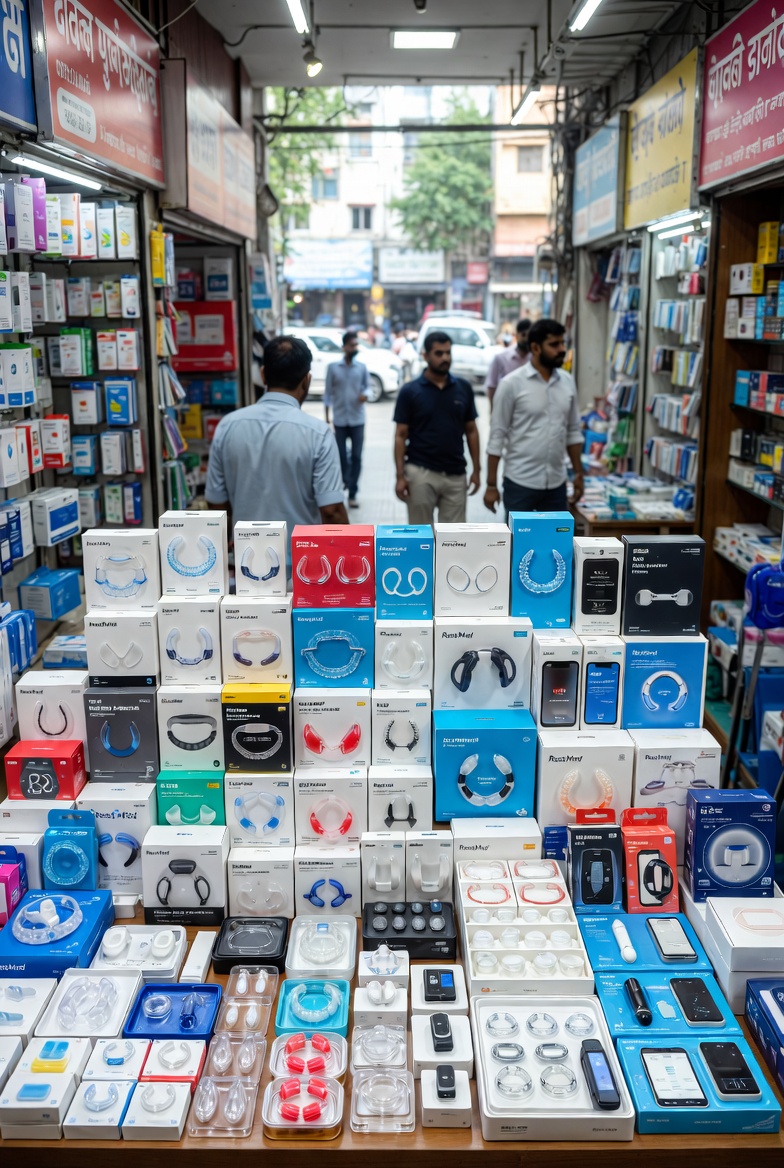
Silent Nights Ahead: How Technology is Revolutionizing Sleep HealthA Story by Pujitha Reddy The transformation of anti-snoring devices from simple mechanical interventions to intelligent, data-driven health tools reflects broader shifts toward personalized, technology-enabled healthcare Snoring affects millions worldwide, disrupting sleep for both sufferers and their partners. But the solutions are evolving rapidly. The global anti-snoring devices market, valued at $1.42 billion in 2024 and projected to reach $2.28 billion by 2030, reflects a broader transformation in how we approach sleep health�"moving from simple mechanical solutions toward sophisticated, intelligent interventions. The Intelligence RevolutionTraditional anti-snoring devices were passive tools: mouthpieces that held your jaw forward, nasal strips that opened airways, or basic pillows. Today's innovations are dramatically different. Smart devices now incorporate AI-driven sleep tracking, biometric monitoring, and real-time adjustments. DeRUCCI Group's 2024 anti-snoring pillow exemplifies this shift, offering patient monitoring, screening, and intervention capabilities while claiming to reduce snoring by approximately 89%. Perhaps most revolutionary is the movement toward contact-free solutions. Smart Nora developed a device that detects snoring and responds without requiring users to wear anything�"addressing one of the primary complaints about traditional anti-snoring products. Beyond Sleeping Hours: Daytime SolutionsOne of the most innovative FDA approvals is eXciteOSA, a neuromuscular stimulation device that strengthens tongue muscles through electrical impulses during just 20 minutes of daytime use. By targeting the root cause�"weak tongue muscles that allow airway collapse during sleep�"rather than managing symptoms, it represents a fundamentally different therapeutic approach. This shift from nighttime intervention to proactive daytime strengthening could reshape treatment paradigms for mild to moderate obstructive sleep apnea. The Customization EraGeneric, one-size-fits-all solutions are giving way to personalized devices. Custom 3D-printed mandibular advancement devices (MADs), dentist-prescribed and individually fitted, offer optimal comfort and effectiveness. SomnoDent Avant has gained FDA approval for treating snoring and mild to moderate OSA with fully customized fit. Meanwhile, ZQuiet Pro Plus uses living hinge technology that allows natural mouth movement�"addressing the common complaint that rigid devices are uncomfortable or restrictive. This personalization trend extends beyond manufacturing. Smart devices collect individual sleep data, learning patterns and adapting interventions accordingly. The result is treatment that becomes increasingly effective over time as it responds to each user's unique physiology and habits. CPAP Evolution: Smarter and SmallerContinuous Positive Airway Pressure (CPAP) machines, long the gold standard for severe sleep apnea, have undergone significant refinement. Modern devices feature:
These improvements address the primary reasons patients abandon CPAP therapy: discomfort and inconvenience. As devices become less intrusive and more intelligent, compliance rates improve. The Home Healthcare MovementPerhaps the most significant trend is the shift toward home-based solutions. Rather than requiring sleep lab studies and clinical interventions, many people now manage snoring and mild sleep apnea at home with consumer devices. This democratization is driven by several factors: improving technology, increasing affordability, and growing consumer preference for managing health conditions independently when possible. Smart, data-driven solutions allow users to track, analyze, and monitor their sleep patterns without medical supervision. However, this trend requires balance. While home devices offer convenience and accessibility, severe obstructive sleep apnea remains a serious medical condition requiring professional diagnosis and treatment. Who's Most Affected?Demographics reveal interesting patterns. Men comprise the largest consumer segment�"approximately 40% of men experience habitual snoring compared to 25% of women. Anatomical factors, including larger airways and neck fat distribution, contribute to higher prevalence. Interestingly, the under-40 age group shows the fastest growth. While sleep apnea historically affected middle-aged and elderly populations primarily, rising obesity rates and lifestyle factors are increasing diagnosis among younger adults. The growing working population in this demographic, combined with increasing health awareness, drives demand for solutions. Clinical IntegrationAnti-snoring devices are expanding beyond personal use into clinical settings. Sleep laboratories and dental clinics represent the largest end-user segment, conducting diagnostics and prescribing appropriate devices based on severity. Rehabilitation centers increasingly incorporate these devices for post-surgical recovery or treating conditions exacerbated by poor sleep, such as cardiovascular problems and metabolic disorders. Corporate wellness programs are also adopting sleep health initiatives, recognizing the connection between sleep quality, cognitive function, and productivity. This clinical integration lends legitimacy to devices while ensuring appropriate matching of solutions to conditions�"crucial when distinguishing between simple snoring and potentially dangerous sleep apnea. Regional LeadershipNorth America dominates the market with over 32% share, driven by advanced healthcare infrastructure, high technology adoption rates, and significant sleep apnea prevalence. Over 30 million Americans were diagnosed with sleep apnea in 2024, according to the American Academy of Sleep Medicine. Untreated sleep apnea increases risks for heart disease, depression, and diabetes�"creating strong incentive for both diagnosis and treatment. The combination of widespread awareness, insurance coverage for many devices, and robust distribution networks positions North America as the primary market. The Competitive LandscapeMajor players like ResMed, Philips, and Fisher & Paykel Healthcare leverage established brand recognition and distribution networks. ResMed's 2023 acquisition of Somnoware, a digital sleep solutions company, illustrates the strategic focus on integrating data analytics and connectivity into traditional devices. Competition intensifies as new entrants introduce innovative approaches. The market now includes traditional medical device manufacturers, technology startups, and wellness companies�"each bringing different perspectives on solving sleep disruption. Looking ForwardThe evolution from passive mechanical devices to intelligent, adaptive systems represents more than incremental improvement�"it's a fundamental reconceptualization of sleep health management. As devices become smarter, less intrusive, and more personalized, adoption barriers decrease while effectiveness increases. The broader trend toward home healthcare, combined with growing awareness of sleep's importance to overall health, suggests continued strong growth. For the millions who struggle with snoring and sleep apnea, increasingly sophisticated solutions offer hope for genuinely restful nights�"and the health benefits that follow. © 2026 Pujitha ReddyAuthor's Note
|
Stats
26 Views
Added on February 12, 2026 Last Updated on February 12, 2026 |


 Share This
 Email
Email Facebook
 Twitter
 Read Request
 My Library
 Subscribe
 Flag Writing