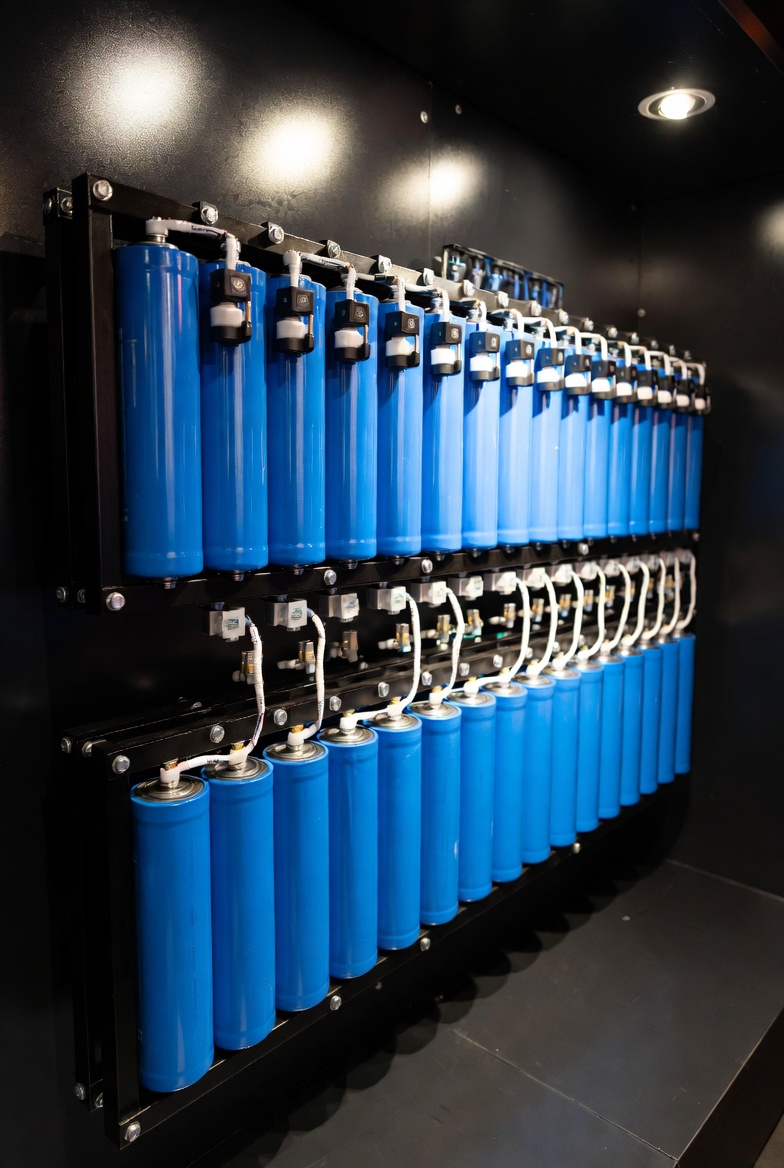
The EV Battery Revolution: What's Powering the Road AheadA Story by Pujitha Reddy The EV battery market isn't just about storing energy — it's about powering a fundamental shift in how the world moves. And that shift is accelerating. The electric vehicle industry is undergoing a quiet transformation beneath the hood �" one measured not in horsepower, but in kilowatt-hours. The global EV battery technology market, worth nearly $99 billion in 2025, is on track to surpass $157 billion by 2031. What's driving this surge, and what does it mean for the future of mobility? Know More : https://www.arizton.com/market-reports/electric-vehicle-battery-technology-market Batteries Are Getting Better �" and CheaperFor years, the biggest barrier to mass EV adoption has been battery cost. That barrier is steadily coming down. Advances in battery chemistry, large-scale manufacturing, and supply chain maturation are all pushing costs per kilowatt-hour lower. Lithium iron phosphate (LFP) batteries currently lead the pack, commanding roughly 53% of the market, thanks to their durability, thermal stability, and relatively low cost of ownership. But LFP isn't the only chemistry making waves. Sodium-Ion: The Challenger ChemistryOne of the most exciting developments in the space is the rise of sodium-ion batteries. Unlike lithium-based alternatives, sodium-ion cells draw on more widely available raw materials, reducing exposure to supply chain bottlenecks and price volatility. They also perform better in cold weather and carry a lower risk of thermal runaway �" a key safety concern for automakers and regulators alike. While sodium-ion batteries are primarily targeting smaller, lighter vehicles for now, their commercial viability is growing fast, and they could soon become a mainstream option for budget-friendly EVs. Gigafactories: Building at ScaleSecuring a reliable battery supply has become a top strategic priority for automakers worldwide. The result? A global wave of gigafactory construction. These large-scale manufacturing plants are designed to drive down costs, strengthen regional supply chains, and meet surging demand. A standout example: CATL and Stellantis recently committed $4.3 billion to build a battery plant in Spain �" a move that signals Europe's determination to reduce its dependence on Asian imports and build homegrown production capacity. Asia Leads, But the Gap Is NarrowingAsia currently dominates the EV battery landscape, accounting for over 65% of global market share. Chinese manufacturers like CATL and BYD have built formidable advantages in LFP production, giving them a significant cost edge. However, Europe and North America are pushing back. Regulatory frameworks like the U.S. Inflation Reduction Act are incentivizing domestic battery production, and stricter emission mandates across more than 20 countries are creating powerful demand signals for local manufacturers to step up. What's NextThe road ahead points toward solid-state batteries �" a technology that promises higher energy density, improved safety, and longer lifespan. While still largely in the development phase, leading manufacturers are investing heavily in solid-state roadmaps, and commercial deployment could reshape the competitive landscape within this decade. Beyond passenger cars, growing demand for electric two-wheelers in India and Southeast Asia is opening up an entirely new frontier for battery technology, one where lightweight, cost-effective solutions will matter most. The EV battery market isn't just about storing energy �" it's about powering a fundamental shift in how the world moves. And that shift is accelerating. © 2026 Pujitha Reddy |
Stats
5 Views
Added on February 25, 2026 Last Updated on February 25, 2026 |

 Share This
 Email
Email Facebook
 Twitter
 Read Request
 My Library
 Subscribe
 Flag Writing