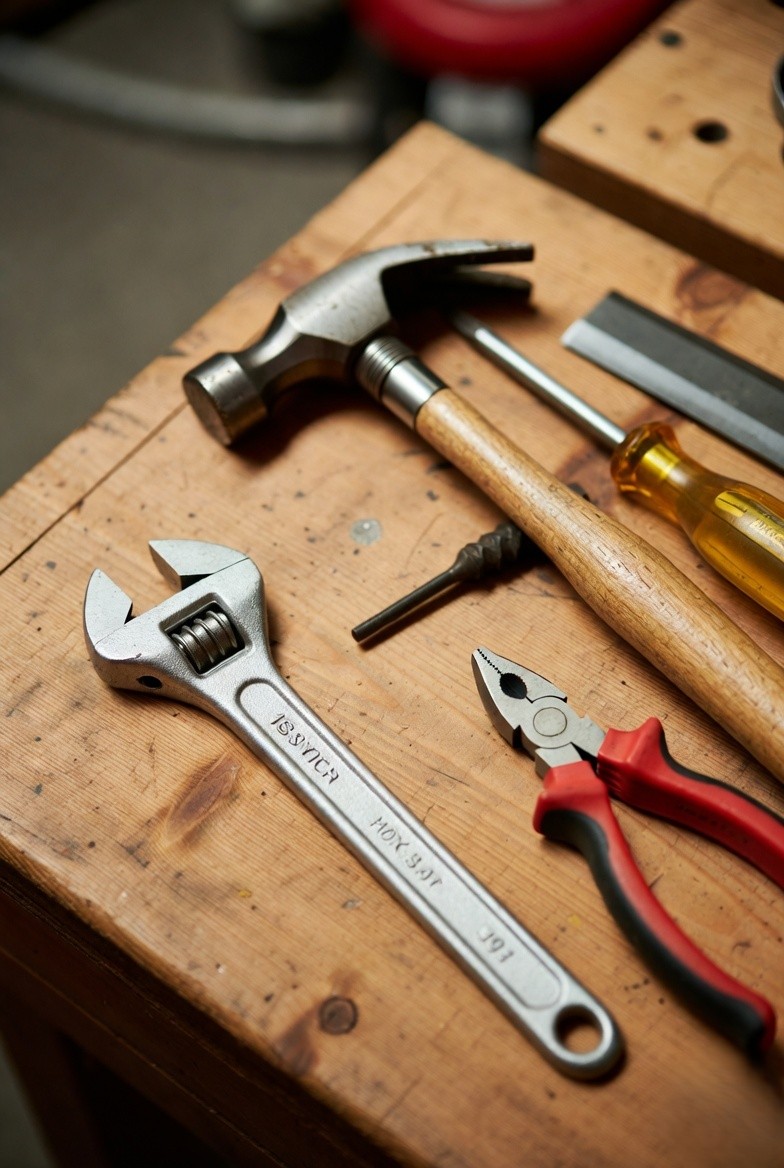
The Hand Tools Market: Where Tradition Meets InnovationA Story by Pujitha Reddy The hand tools market isn't flashy, but it's resilient. Whether it's a carpenter in Mumbai, a homeowner in Ohio, or a mechanic in São Paulo, the demand for well-made, comfortable. The hand tools industry is quietly evolving. Valued at around $25 billion in 2024, the global market is on track to surpass $31 billion by 2030 �" a steady climb driven by construction booms, a thriving DIY culture, and a new wave of smarter, more ergonomic tools. Know More : https://www.arizton.com/market-reports/hand-tools-market-size-analysis What's Fueling the Growth?Two major forces are at play. On one side, rapid urbanization in Asia-Pacific and Latin America is stoking demand for construction-grade tools, with countries like India, China, and Indonesia leading the charge. On the other, homeowners in developed markets are picking up hammers and screwdrivers themselves �" thanks to a growing passion for DIY home improvement that's no longer just a Western trend. The residential segment, in fact, is expected to be one of the fastest-growing, with a projected revenue CAGR of over 5% through 2030. Rising middle-class incomes, the high cost of hiring professionals, and easy access to tools through e-commerce are all converging to make this shift possible. Smarter Tools for a Smarter WorldToday's hand tools aren't just about brute function �" they're getting intelligent. Manufacturers are embedding sensors, digital displays, and Bluetooth connectivity into products that were once entirely mechanical. Think torque wrenches that sync with your smartphone or tape measures with built-in lighting recognized by industry publications for their innovation. Ergonomics is another frontier. With greater awareness around repetitive strain injuries, brands are redesigning handles with anti-vibration technology, improved grip materials, and fatigue-reducing profiles. The goal is simple: keep professionals working longer, more comfortably, and safely. The Power Tool ChallengeNot everything is smooth sailing. The rapid advancement of battery-powered cordless tools poses a real competitive threat to traditional hand tools. Lighter, more capable, and increasingly affordable, power tools are reshaping how both professionals and hobbyists work �" especially in European and North American markets. That said, hand tools retain a strong foothold. General-purpose tools like pliers, wrenches, and screwdrivers still dominate the market with over 64% revenue share, prized for their reliability, affordability, and zero dependency on batteries or charging. Market Leaders and Key RegionsThe market remains fragmented, with major players like Stanley Black & Decker, Snap-on, Techtronic Industries, and Apex Tool Group competing alongside a growing number of smaller manufacturers �" particularly in India, where MSMEs are carving out a meaningful share. Geographically, Asia-Pacific leads with over 34% of global revenue, and India is expected to be the standout growth story with nearly 7% CAGR in unit shipments. North America follows, anchored by a strong DIY culture and well-established distribution networks. © 2026 Pujitha Reddy |
Stats
19 Views
Added on February 27, 2026 Last Updated on February 27, 2026 |

 Share This
 Email
Email Facebook
 Twitter
 Read Request
 My Library
 Subscribe
 Flag Writing