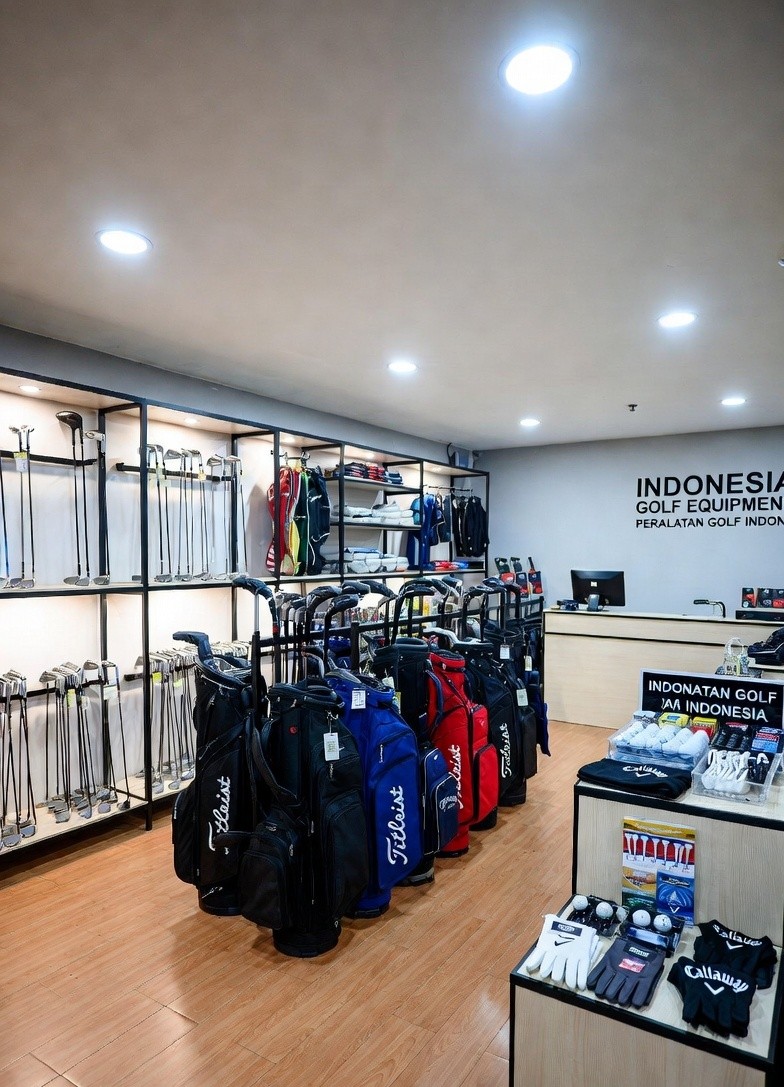
Indonesia's Golf Equipment Market: A Sport on the RiseA Story by Pujitha Reddy Indonesia's golf equipment market tells a story that goes beyond sport. It reflects a broader transformation in how Indonesians relate to leisure, status, and wellness. From Elite Pastime to Mainstream AmbitionNot long ago, golf in Indonesia was the exclusive domain of wealthy executives, diplomats, and expatriates. Today, that story is changing. Younger Indonesians, women, and the expanding middle class are taking to the fairways �" and the numbers back it up. The country's golf equipment market, valued at around $816 million in 2024, is projected to cross $1 billion by 2030, growing at a healthy annual rate of nearly 5%. What's behind this shift? A combination of rising incomes, smarter technology, expanding infrastructure, and a cultural reframing of golf as an aspirational �" yet increasingly accessible �" sport. Know More : https://www.arizton.com/market-reports/indonesia-golf-equipment-market Technology Is Rewriting the GameModern golfers in Indonesia aren't just buying clubs and balls �" they're investing in a data-driven experience. Smart golf balls embedded with microchips now track metrics like launch angle, spin rate, and shot distance, sending real-time feedback straight to a player's smartphone. AR glasses that overlay course data onto a player's field of vision are also beginning to make their presence felt on Indonesian courses. Perhaps the most transformative development is the rise of indoor golf simulators. In cities where land is scarce and premium, simulators offer an affordable, year-round alternative to traditional courses. These facilities are not only nurturing new talent but are also generating demand for compatible equipment �" clubs, balls, and digital accessories designed for virtual play. Customization is another growing force. Golfers now want equipment tailored to their unique swing mechanics, body type, and style of play. Thanks to 3D printing and sophisticated digital fitting platforms, brands can now deliver club configurations once reserved for touring professionals to everyday players. Younger golfers especially are drawn to equipment that reflects their individuality �" in both performance and appearance. Infrastructure Is Expanding the Sport's ReachGolf courses and resorts are sprouting across the archipelago, from Bali and Jakarta to Surabaya and Bandung. Established venues like Bali National Golf Club draw international visitors, while newer developments like Palm Hill Golf Club and Damai Indah Golf are opening the sport to suburban and urban communities that previously had little access. This infrastructure growth isn't happening in isolation �" it's accompanied by a tourism economy built around the sport. Golf tourism brings in international visitors, and the lifestyle associations of the sport continue to attract business professionals who treat the course as an extension of the boardroom. E-Commerce: Democratizing Access Across the IslandsIndonesia's geography �" over 17,000 islands �" has historically made it difficult for golf equipment to reach consumers beyond major urban centers. Online retail is changing that. Platforms like Tokopedia, Shopee, and Lazada have turned golf equipment into a nationwide market, allowing players in smaller cities and regional areas to browse, compare, and purchase with the same ease as someone walking into a Jakarta specialty store. The online channel is now the fastest-growing distribution segment, expected to expand at a CAGR of over 5.7% through 2030. Competitive pricing, easy returns, and online customization tools are drawing in buyers across all experience levels �" particularly first-timers and budget-conscious shoppers who might otherwise have found the sport out of reach. The Challenges AheadDespite the momentum, the market faces real headwinds. Indonesia has a young, energetic population that gravitates toward faster, more social sports �" badminton, futsal, basketball, and e-sports. Golf's reputation as time-intensive and expensive makes it a harder sell to Gen Z consumers who prioritize instant engagement and social interaction. Badminton, in particular, is deeply ingrained in the national identity and remains the sport of choice across age groups and income levels. For golf to sustain its growth trajectory, the industry will need to work harder at reimagining the sport's image �" making it more accessible, more social, and more relevant to Indonesia's digital-native generation. Who's Playing �" and Who's Selling?Male golfers, especially senior professionals and executives, still make up the core of the market. Golf's entrenched association with business networking means that high-end equipment remains a symbol of professional status for many players. That said, the female golfer segment is growing, and brands are beginning to develop products and marketing strategies that speak to this expanding audience. On the vendor side, global names like Callaway, TaylorMade, PING, Acushnet, and Sumitomo dominate the premium end of the market. Local and regional distributors, meanwhile, are carving out space in the entry-level and mid-tier segments �" often leveraging e-commerce platforms to compete with established international players. © 2026 Pujitha Reddy |
Stats
20 Views
Added on February 27, 2026 Last Updated on February 27, 2026 |

 Share This
 Email
Email Facebook
 Twitter
 Read Request
 My Library
 Subscribe
 Flag Writing