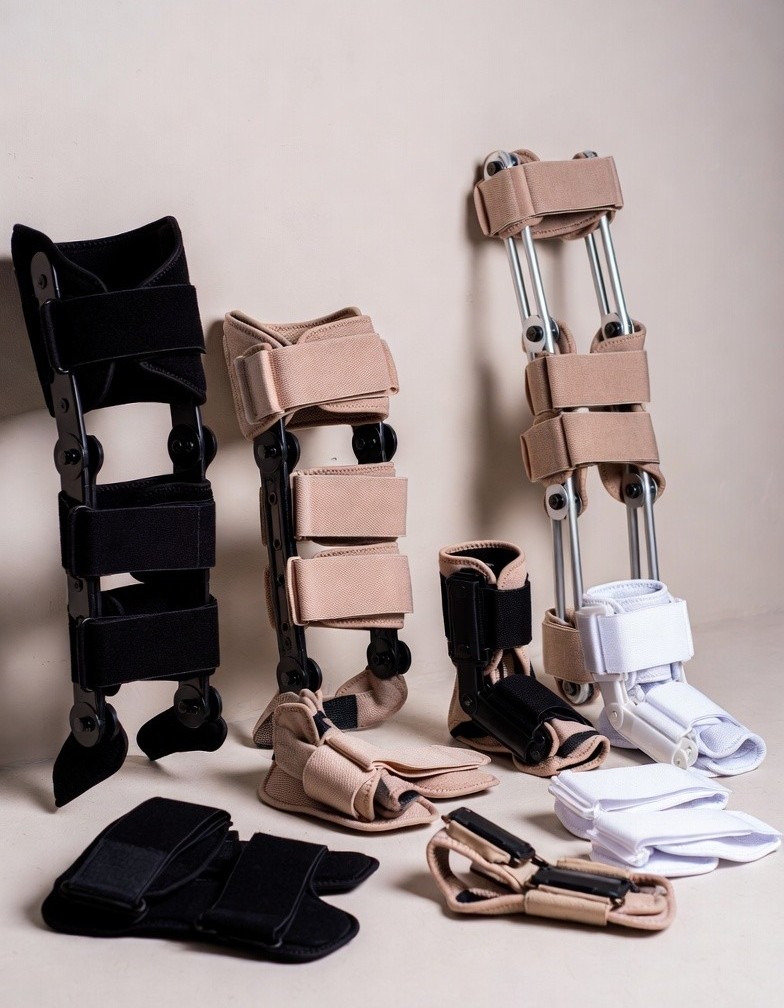
Orthopedic Braces and Supports: A Market Built on Movement, Recovery, and InnovationA Story by Pujitha Reddy The global orthopedic braces and supports market, valued at $3.93 billion in 2024, is projected to reach $5.28 billion by 2030, growing at 5% annually. Supporting a World in MotionWhether it's a weekend footballer nursing a sprained ankle, an aging adult managing chronic knee pain, or a post-surgical patient rebuilding strength, orthopedic braces and supports have become an essential part of modern healthcare. The global market, valued at $3.93 billion in 2024, is expected to reach $5.28 billion by 2030, growing at a steady annual rate of just over 5%. What's powering this growth is not one single trend but a convergence of factors: an aging global population, a surge in sports and accidental injuries, a growing preference for non-invasive treatment options, and a wave of technological innovation redefining what these devices can do. Know More : https://www.arizton.com/market-reports/orthopedic-braces-and-supports-market The Injury Burden Driving DemandThe numbers tell a compelling story. In the United States alone, more than 3 million sports injuries are reported annually, according to the National Safety Council. Globally, the World Health Organization estimates that unintentional injuries, including falls, road accidents, and acts of violence, contribute to more than 3 million deaths each year, with many more resulting in long-term physical impairment. Knee injuries, in particular, remain the most prevalent orthopedic concern across all age groups. Conditions such as ACL tears, meniscal damage, and patellofemoral pain syndrome are among the most common drivers of brace usage, making the knee segment the largest product category with over 35% market share. Beyond acute injuries, the rising burden of osteoarthritis and other musculoskeletal diseases, especially among aging populations, is creating sustained long-term demand. As more people live longer and remain physically active well into later life, the need for supportive orthopedic solutions will only intensify. Why Patients Are Choosing Braces Over SurgeryOne of the most significant shifts in orthopedic care is the growing preference for non-invasive treatment. Surgical procedures, while sometimes necessary, carry risks including infection, complications, and extended recovery periods. Orthopedic braces offer a clinically proven alternative, providing pain relief, joint stabilization, and accelerated healing without going under the knife. This shift in patient preference is not just about avoiding risk. It also reflects broader changes in how people engage with their own healthcare. Patients are more informed, more proactive, and more inclined to explore options that allow them to maintain mobility and independence during recovery. Smart Braces: Technology Enters the Recovery RoomPerhaps the most exciting development in the sector is the integration of smart technology into orthopedic devices. Modern braces are no longer passive supports. They are increasingly embedded with motion sensors, pressure sensors, and temperature monitors that track patient movement and physical condition in real time, delivering instant feedback and enabling more responsive care. Companies like AOFIT are already bringing wearable smart braces to market that combine support with massage therapy for the knee. These connected devices represent a new frontier in personalized rehabilitation, where data-driven insights can help clinicians fine-tune treatment plans and patients can actively monitor their own progress. 3D Printing: A Perfect Fit, LiterallyCustom-made orthopedic braces have traditionally been expensive and time-consuming to produce. That is changing rapidly thanks to 3D printing technology. Patient-specific braces can now be designed and manufactured with far greater precision, resulting in a better anatomical fit, lighter weight, and more breathable materials. Practically speaking, this means patients can wear their brace while bathing or swimming, improving comfort and compliance over the course of treatment. Better compliance leads to better outcomes, which is why 3D-printed devices are quickly becoming standard practice across orthopedic care settings worldwide. The Fastest-Growing SegmentsAmong brace types, hinged orthopedic braces are recording the fastest growth, projected at a CAGR of 5.31% through 2030. These devices offer the critical combination of stability and controlled movement, making them especially effective for knee rehabilitation and joint recovery following surgery. On the distribution side, e-commerce is the standout growth channel. As internet access expands globally and consumers grow more comfortable with self-directed health purchasing, online platforms are capturing an ever-larger share of orthopedic brace sales. For patients in regions with limited access to specialist retailers, e-commerce has become an important gateway to the devices they need. Who Leads the Market?North America holds the largest regional share, driven by high rates of sports participation, a substantial aging population, a well-developed healthcare infrastructure, and significant orthopedic-related health expenditure. The United States is the primary market within the region, supported by a large base of both athletes and older adults managing chronic musculoskeletal conditions. Leading vendors in the space include Bauerfeind, Enovis, Össur, Ottobock, BREG, DeRoyal, and Tynor. These companies are competing on the strength of innovation, product launches, and expanding geographic reach, with new entrants and technology-focused startups adding further dynamism to an already active competitive landscape. The Road AheadOrthopedic braces and supports occupy a unique position in healthcare: they sit at the intersection of medical necessity, technological innovation, and patient empowerment. As smart materials, digital connectivity, and personalized manufacturing continue to advance, these devices will become increasingly sophisticated, effective, and accessible. For a market built on helping people move better and recover faster, the trajectory looks strong and the innovation pipeline even stronger. © 2026 Pujitha Reddy |
Stats
24 Views
1 Review Added on March 2, 2026 Last Updated on March 2, 2026 |

![[send message]](http://slow.writerscafe.org/images/mail.png)
![[befriend]](http://slow.writerscafe.org/images/friend.png)

 Share This
 Email
Email Facebook
 Twitter
 Read Request
 My Library
 Flag Writing