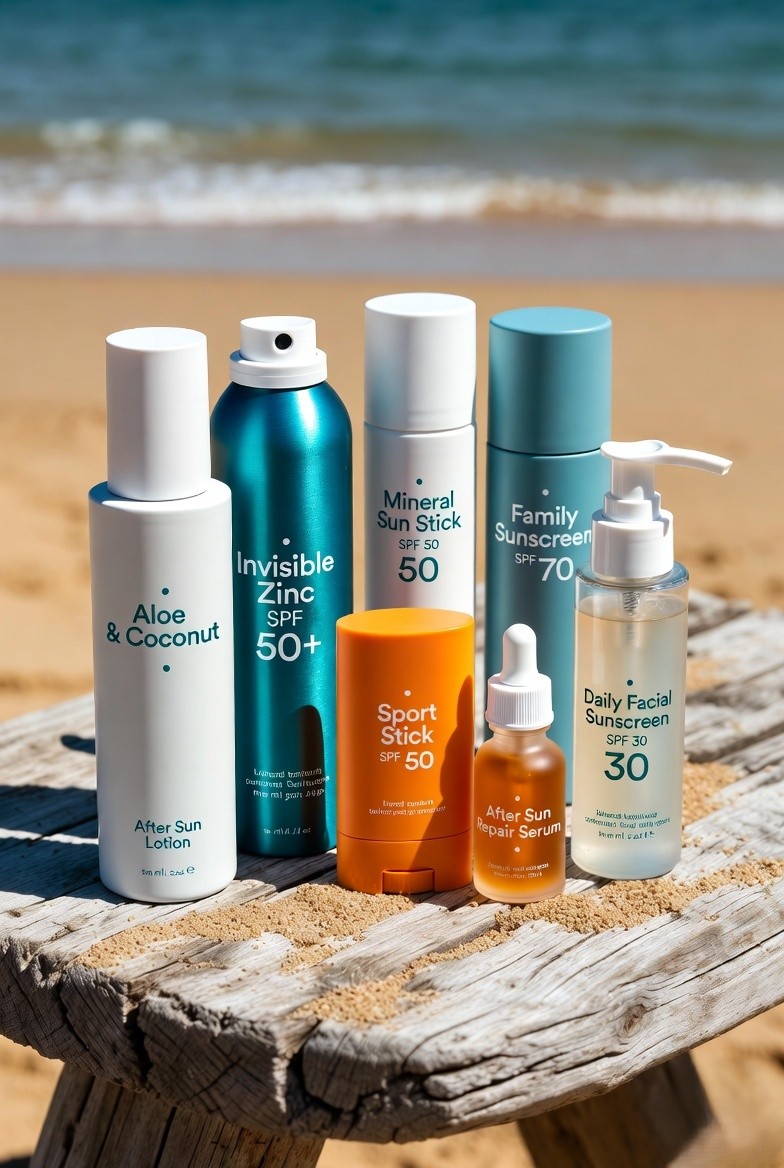
Sun Care Gets Serious: How a $14 Billion Market Is Redefining Skin ProtectionA Story by Pujitha Reddy The global sun care products market, valued at $14.30 billion in 2024, is projected to climb to nearly $19 billion by 2030. Sunscreen used to be something people grabbed before a beach vacation. Today, it's a daily skincare staple, a dermatologist recommendation, an anti-aging strategy, and increasingly, a statement about personal values. The global sun care products market, valued at $14.30 billion in 2024, is projected to climb to nearly $19 billion by 2030 �" and the forces driving that growth go well beyond seasonal summer demand. Know More : https://www.arizton.com/market-reports/sun-care-products-market Awareness Is the Biggest DriverConsumer understanding of what UV radiation actually does to skin has never been higher. The link between sun exposure and skin cancer, premature aging, dark spots, and long-term cellular damage is now widely communicated through public health campaigns, dermatology content on social media, and beauty education platforms. That awareness is changing purchasing behavior. Consumers are no longer just seeking basic SPF protection �" they want scientifically validated, multi-functional formulas that protect against UV damage while also moisturizing, addressing hyperpigmentation, or serving as a base for makeup. Sun protection has embedded itself into the daily skincare routine, moving from seasonal purchase to year-round essential. Influencers Are Reshaping the MarketIf awareness is the foundation, influencer marketing is the accelerant. Sun care brands are increasingly leaning into partnerships with nano and micro-influencers �" creators with smaller but highly engaged, niche audiences �" to build authentic connections with younger consumers who trust peer recommendations over traditional advertising. The approach works because influencers share real-world usage experiences rather than polished brand messaging. Neutrogena's campaign with WWE superstar John Cena for its Ultra Sheer Mineral Sunscreen is one high-profile example of how brands are leveraging personality-driven marketing to expand reach and credibility in the U.S. market. Clean Beauty Is Cleaning Up the FormulaOne of the most significant shifts reshaping the sun care category is the move away from chemical-based sunscreens toward mineral and hybrid formulations. Ingredients like zinc oxide and titanium dioxide �" the backbone of mineral sunscreens �" are being embraced by consumers seeking "reef-safe," "non-toxic," and "clean label" products. Regulatory pressure is reinforcing this trend. Several regions are tightening restrictions on certain chemical UV filters, pushing both large brands and niche players to reformulate. Companies are responding with innovation �" Clarins' 2025 launch of UV Plus SPF50, a multi-functional UV protection cream, is a strong example of how the category is blending efficacy with clean beauty credentials. AI Is Entering the Beauty AisleSmart beauty technology is beginning to make its mark on sun care. AI-powered tools are helping consumers understand their specific skin type, UV exposure risk, and optimal SPF requirements in ways that generic product labels never could. For brands, AI enables more personalized marketing, better product recommendations, and new subscription-based business models built around skin health monitoring. This integration of technology into the buying and education journey is creating competitive advantages for brands willing to invest �" and new expectations among consumers who are increasingly accustomed to personalized digital experiences. What Consumers Are Actually BuyingSun protection products dominate the market with over 77% share, reflecting how central SPF has become to everyday skincare. Within that category, creams and lotions remain the most trusted form �" familiar, easy to apply evenly, and increasingly formulated with added skincare benefits like hydration and brightening. The fastest-growing SPF segment is above SPF 50, expanding at a CAGR of 5.02%. Dermatologists recommend high-SPF products for individuals with sensitive skin, post-treatment care, or high UV exposure environments �" and consumers are responding by trading up for maximum protection. The growing connection between UV exposure and visible aging has been particularly compelling for this shift. Women represent the largest purchasing segment in the market, driven by a combination of anti-aging awareness, beauty routine integration, and higher overall spending on skincare. Gen Z and Millennial women, in particular, are approaching sun protection as a preventive long-term investment in their skin rather than a reactive measure. On the retail side, online channels are growing fastest. E-commerce platforms offer broader product selection, customer reviews, competitive pricing, and the convenience of home delivery �" all factors that resonate strongly with today's beauty consumer. Platforms like Amazon, Ulta Beauty, Shopee, and Lazada are major distribution pillars for the category globally. Where Growth Is StrongestNorth America holds the largest regional share at over 35%, underpinned by an active outdoor culture, high skin cancer awareness, and strong consumer appetite for clean, multi-functional formulations. Hybrid SPF products �" tinted moisturizers, SPF-infused foundations �" are gaining particularly strong traction in the U.S. and Canada. The Middle East and Africa are posting the fastest regional growth at a CAGR of 6.04%. The region's intense climate creates a genuine need for consistent sun protection, and rising disposable incomes �" especially across GCC nations �" are fueling demand for premium and luxury formulations. The growing influence of social media beauty culture is also shaping purchasing habits among younger consumers across the region. The Competitive LandscapeThe global sun care market is crowded but dynamic. Established players like Beiersdorf, Johnson & Johnson, and Clarins compete through R&D investment, global distribution, and brand authority, while smaller niche brands are carving out loyal audiences through clean beauty positioning and targeted social media presence. Acquisitions are accelerating as major players seek to expand into new segments and access innovative formulations. The clean beauty movement, in particular, has created a pipeline of smaller brands with compelling ingredient stories and strong community followings �" exactly the assets that larger companies want to absorb. The Bottom LineSun care is no longer a niche or seasonal category. It sits at the intersection of health, beauty, sustainability, and technology �" and consumers are paying close attention to all four dimensions when they make purchasing decisions. Brands that understand this convergence, and respond with products that are effective, transparent, and thoughtfully formulated, are best positioned to lead the market through the rest of the decade. The sun isn't going anywhere. Neither is this market. © 2026 Pujitha Reddy |
Stats
30 Views
Added on March 12, 2026 Last Updated on March 12, 2026 |

 Share This
 Email
Email Facebook
 Twitter
 Read Request
 My Library
 Subscribe
 Flag Writing