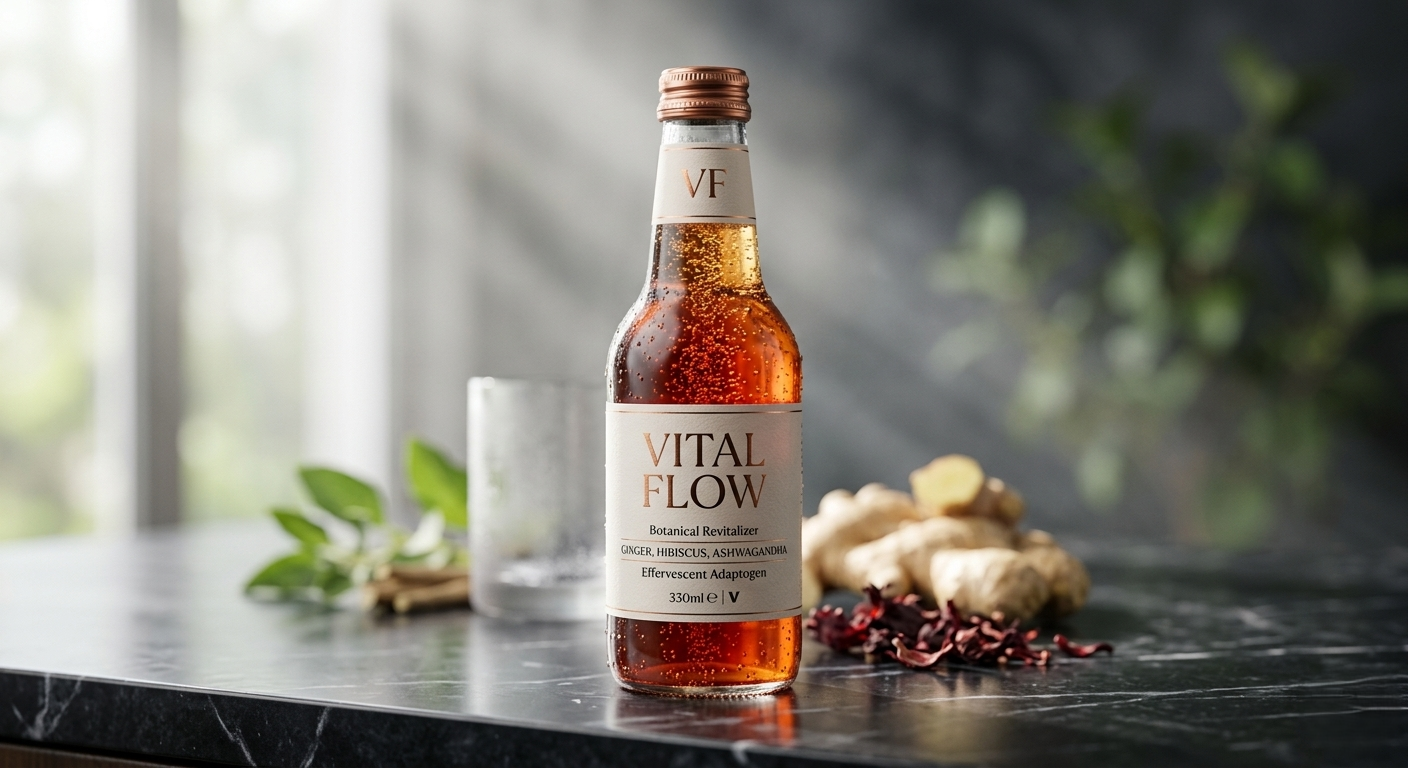
What We Drink Is Changing: Inside the Functional Beverages BoomA Story by Pujitha Reddy The global functional beverages market is set to reach $174B by 2030. Explore how plant-based ingredients, gut health trends, sports nutrition, and e-commerce are reshaping what people drink. Drinks That Do MoreA growing number of consumers are no longer satisfied with a beverage that simply quenches thirst. They want their drinks to support their immune system, fuel a workout, improve gut health, sharpen focus, or help manage weight. Functional beverages, drinks fortified with vitamins, minerals, probiotics, proteins, adaptogens, or plant-based bioactives, are meeting this demand at extraordinary scale. The global functional beverages market, valued at $130.96 billion in 2024, is projected to reach $174.12 billion by 2030, growing at a CAGR of 4.86%. This growth is not driven by novelty. It is driven by a fundamental shift in how people think about what they consume and what they expect their food and drink to do for their health. Health Consciousness as a Commercial ForceThe COVID-19 pandemic accelerated a trend that was already building: a deep and lasting consumer interest in immunity, preventive health, and the relationship between diet and long-term wellbeing. Drinks fortified with antioxidants, probiotics, and vitamins moved from niche health store products into mainstream supermarket aisles. Media attention, health campaigns, and social media influencers amplified consumer awareness of gut health, hydration science, and cognitive nutrition, creating demand that traditional soft drink categories were not positioned to serve. That unmet demand is precisely the gap that functional beverages have filled. From electrolyte waters and prebiotic sodas to adaptogen shots and protein-enhanced dairy alternatives, the category has expanded rapidly to match the breadth of health outcomes consumers are seeking. Coca-Cola's February 2025 launch of Simply Pop, a prebiotic soda containing 6 grams of prebiotic fiber, vitamin C, and zinc, with no added sugar and real fruit juice, marks one of the most significant entries by a legacy beverage company into this space. It signals that the functional beverage trend has firmly crossed from niche to mainstream. Plant-Based and Natural: The Clean Label ImperativeOne of the strongest directional trends in the functional beverages market is the shift toward plant-based, natural, and clean-label formulations. Consumers are actively avoiding synthetic preservatives, artificial sweeteners, and chemically derived ingredients in favor of beverages they perceive as transparent, traceable, and aligned with their personal values. Turmeric and ginger-infused drinks are trending strongly. Matcha paired with chamomile is gaining consumer interest. Superfoods and natural sweeteners are replacing synthetic alternatives across an expanding range of product lines. The clean-label movement is not just about ingredient lists. It is about trust, and brands that can demonstrate genuine transparency in sourcing and formulation are earning a meaningful competitive advantage. Precision fermentation is also gaining traction as a production technology, enabling the creation of bioactive compounds including probiotics and plant proteins with greater consistency and scalability than traditional extraction methods allow. Sports and Fitness: A Category Powering GrowthThe global expansion of fitness culture is one of the most reliable demand drivers for functional beverages. Gym memberships, endurance running, yoga, home workouts, and virtual fitness classes have all grown significantly, creating a large and motivated consumer base for products designed to enhance performance, support recovery, and optimize hydration. Energy drinks, sports drinks, and protein shakes all benefit from this trend. The category is evolving beyond traditional high-caffeine, high-sugar formulations toward plant-based proteins, natural energy sources, low-sugar electrolyte formulas, and recovery beverages tailored to specific athletic needs. Keurig Dr Pepper's October 2024 acquisition of GHOST Energy, one of the fastest-growing ready-to-drink energy brands globally, reflects the commercial scale of this opportunity. GHOST's net sales more than quadrupled over the preceding three years, illustrating the appetite for differentiated, personality-driven brands in the energy drink category. Technology Reshaping Production and DistributionFunctional beverage production is becoming more sophisticated. Microfiltration and ultrafiltration are improving beverage clarity and shelf stability while preserving delicate bioactive compounds. Automation and robotics are ensuring consistent quality control at manufacturing scale. Blockchain technology is being applied to ingredient traceability, giving brands the documentation to support clean-label claims with verifiable supply chain data. Distribution is shifting too. E-commerce platforms are enabling highly personalized marketing strategies, connecting niche functional beverage brands directly with health-conscious consumers who are actively researching products before purchase. For smaller brands, digital distribution channels provide market access that would have required enormous retail negotiation power to achieve through conventional supermarket routes. Who Is Buying and What They Are ChoosingEnergy drinks hold the largest product category share, driven by the demand for convenient, accessible energy solutions in an era of busy schedules and high productivity expectations. The category is evolving rapidly, with sugar-free, low-calorie, and plant-based energy drinks capturing growing share from traditional high-stimulant formulations. The female consumer segment is the fastest-growing by gender, with a projected CAGR of 5.32% through 2030. Women are disproportionately drawn to fortified juices, probiotic drinks, dairy alternatives, and beverages targeting skin health, hormonal balance, and digestive wellness. Clean-label credentials and natural ingredient lists are particularly influential in this segment's purchasing decisions. Adults represent the largest age-based consumer segment, with energy and probiotic drinks most popular among younger adults, while the 35 to 55 group gravitates toward low-sugar, low-calorie functional options, and consumers above 55 increasingly prefer probiotic and fortified water products that address age-related health needs. Supermarkets and hypermarkets remain the dominant distribution channel, offering the convenience of comparison shopping and the credibility of a physical retail presence that many consumers still associate with validated health products. Asia-Pacific: The Fastest-Growing RegionAsia-Pacific is both the largest and the fastest-growing regional market, with a projected CAGR of 6.20% through 2030. China, India, Japan, and South Korea are the key markets, with energy drinks, fortified juices, and probiotic beverages leading in popularity. The region's growing awareness of lactose intolerance, rising health consciousness, and strong government support for health food sector development are all contributing to rapid demand growth. The shift toward plant-based and dairy-alternative beverages is particularly strong across APAC, driven by a combination of cultural, health, and sustainability considerations that are reshaping consumer preferences across multiple markets simultaneously. The Regulatory ChallengeOperating across global markets with differing regulatory frameworks for health claims, ingredient approval, and labeling standards is one of the most complex challenges facing functional beverage brands. Claims like "immune-boosting" or "energy-enhancing" require scientific substantiation and regulatory clearance that varies significantly by geography. Emerging categories including CBD-infused beverages and adaptogen drinks face particular regulatory uncertainty, with frameworks still evolving in most markets. Brands entering these spaces must navigate a shifting compliance landscape while managing the cost and timeline implications of seeking approval for novel health claims. © 2026 Pujitha Reddy |
Stats
14 Views
Added on March 24, 2026 Last Updated on March 24, 2026 |

 Share This
 Email
Email Facebook
 Twitter
 Read Request
 My Library
 Subscribe
 Flag Writing