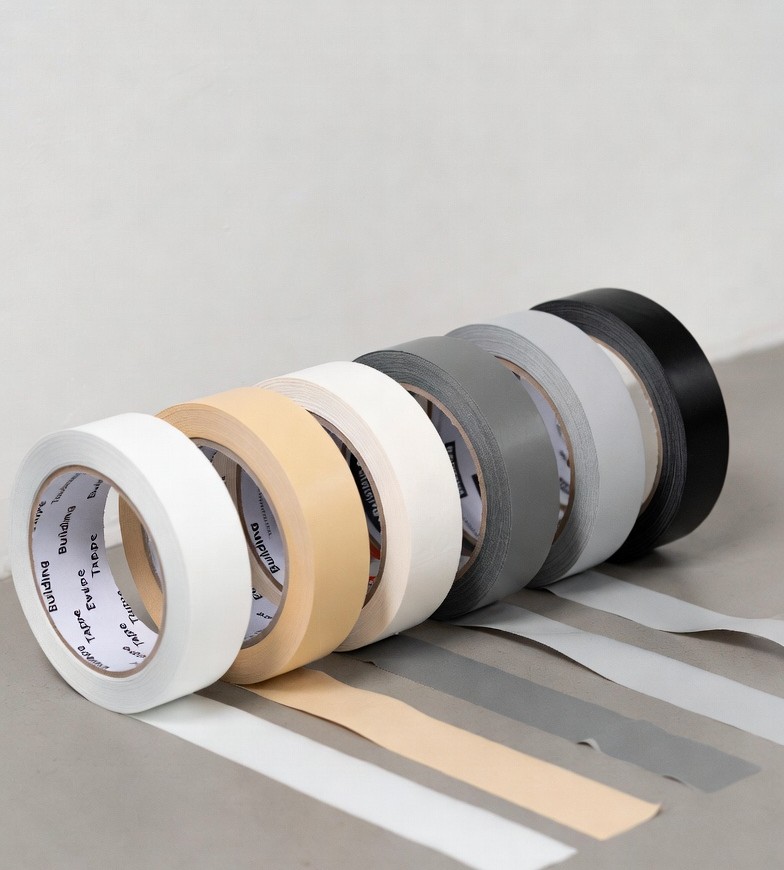
The Tape Holding Buildings Together: North America's Building Envelope Tapes MarketA Story by Pujitha Reddy North America's building envelope tapes market grows at 5.18% to $728M by 2031. Discover how energy codes, modular construction, acrylic chemistry, and retrofit demand are reshaping this essential Small Product, Big ImpactMost people walking past a construction site have never thought about building envelope tapes. Yet these engineered sealing systems play a critical role in determining whether a finished building is energy efficient, weatherproof, structurally durable, and capable of meeting the increasingly stringent performance standards that modern building codes demand. The North America building envelope tapes market, valued at $538.10 million in 2025, is projected to reach $728.74 million by 2031, growing at a CAGR of 5.18%. That steady growth reflects a product category being elevated by regulation, technology, and changing construction practices from a commodity afterthought into a recognized performance-critical building component. Know More : https://www.arizton.com/market-reports/north-america-building-envelope-tapes-market Energy Codes: The Regulatory EngineNo single force is shaping the North America building envelope tapes market more directly than the tightening of energy codes and building performance standards. Frameworks including the International Energy Conservation Code, ASHRAE 90.1, and Canada's NECB 2020 have established increasingly strict benchmarks for exterior shell integrity, requiring builders to reduce envelope air leakage to quantifiable, lab-verified standards. When buildings must hit specific leakage targets to achieve compliance, the approach to joint sealing changes fundamentally. Estimation and approximate application are replaced by validated, high-performance sealing technologies with documented performance data. NECB 2020's introduction of whole-building airtightness testing as a compliance pathway created direct and growing demand for high-reliability sealing tapes capable of meeting these standards consistently and repeatably. According to Architecture 2030, the combined residential and commercial building sectors account for nearly 40% of total U.S. energy consumption. Optimizing building envelopes with advanced adhesive tapes is one of the most practical and cost-effective approaches to improving building energy performance at scale, which is why the regulatory pressure behind tape adoption is unlikely to ease. Advanced Chemistry: The Material RevolutionThe building envelope tape market is undergoing a significant material transition. Traditional asphalt, rubber, and butyl-based adhesives are being displaced by advanced acrylic formulations and STPE hybrid chemistries that offer performance characteristics that legacy materials cannot match. Advanced acrylics provide enhanced UV resistance, maintain flexibility at freezing temperatures, and strengthen their bond over time rather than degrading. STPE hybrids combine the workability of polyurethane with the UV and weathering resistance of silicone, offering a performance profile that is particularly well-suited to long-term outdoor applications. This shift reflects the industry's recognition that building envelope tapes are not temporary adhesives but permanent components of a building's weather and air management system. They are expected to maintain their integrity throughout the building's lifecycle, not just during initial construction. Products that cannot meet this standard are being phased out as code compliance and warranty requirements raise the performance bar. The removal of PFAS and other legacy chemicals is also emerging as a competitive priority. Manufacturers racing to develop PFAS-free tapes that maintain full weather and UV resistance without hazardous materials are facing both regulatory pressure and growing procurement requirements from developers pursuing green building certifications. Prefabrication and Modular Construction: A Natural FitThe rise of prefabrication and modular construction is creating strong structural demand for building envelope tapes. Factory-built modular units require sealing solutions that can be applied quickly within assembly line workflows, require no curing time, and can withstand the mechanical stresses of transport, including wind loads and vibrations during long-distance delivery. Traditional liquid sealants and caulk-based approaches are poorly suited to factory environments and to the dynamic stresses that modular units experience during transport. High-performance structural tapes, by contrast, are ideal: they apply rapidly, cure instantly, maintain a flexible and airtight bond under dynamic loading, and can be applied with the precision and repeatability that controlled factory conditions allow. Large-scale commercial developments including logistics hubs and data centers are increasingly specifying factory-applied adhesive solutions in modular panel systems. By shifting the sealing process off-site, developers reduce on-site labor requirements, accelerate project timelines, and achieve more consistent airtightness outcomes than traditional site-applied methods produce. Renovation: A 65 Million Building OpportunityThe renovation and retrofit segment is the fastest-growing application category, projected to grow at a CAGR of 5.36% through 2031. This growth is rooted in the scale of North America's aging building stock. Approximately 55% of American residences and half of all commercial properties were completed before 1980, representing roughly 65 million homes and 2.8 million commercial buildings constructed before modern energy efficiency standards existed. Retrofitting these buildings to meet current energy performance expectations requires upgrading their envelopes, and building envelope tapes are frequently the most practical tool for sealing air leakage points, improving weatherproofing, and installing new window and door assemblies without full structural intervention. Government incentive programs for energy efficiency upgrades and the rising demand for resilience against severe weather are both adding financial and practical motivation for building owners to invest in envelope improvements. Over 50% of U.S. office spaces require energy efficiency upgrades, creating a sustained commercial renovation pipeline that will support tape demand throughout the forecast period. Walls Lead, Commercial Buildings Drive GrowthWalls and ceilings account for approximately 45% of the building envelope tapes market by application, driven by the complexity of air barrier continuity requirements across vertical assemblies, the growth of high-rise construction, and the expansion of commercial curtain wall systems. The adoption of Passive House standards, which can reduce a building's heating and cooling energy consumption by up to 90%, requires seamless air barrier integration at critical wall and ceiling junctions, creating strong demand for premium sealing solutions. The commercial segment is the fastest-growing end-user category, propelled by new construction in data centers, logistics facilities, healthcare buildings, and office developments pursuing ESG targets and green building certifications. Office buildings held the largest commercial share in 2025, reflecting ongoing energy efficiency retrofits, facade modernization cycles, and urban redevelopment projects that require systematic envelope upgrades. Competitive Dynamics: From Tape to SystemThe competitive landscape in the North America building envelope tapes market is evolving in ways that favor larger, better-resourced manufacturers. Leading companies are moving beyond selling individual tape products toward offering comprehensive, warranted building envelope systems that bundle tapes, accessories, and application guidance under a single liability framework. For builders and developers managing large commercial projects, the appeal of a single-source warranty and certified product system that meets architectural specifications is compelling. This dynamic makes it increasingly difficult for smaller regional players to compete on product alone against manufacturers who can offer system-level solutions. © 2026 Pujitha Reddy |
Stats
15 Views
Added on March 30, 2026 Last Updated on March 30, 2026 |

 Share This
 Email
Email Facebook
 Twitter
 Read Request
 My Library
 Subscribe
 Flag Writing