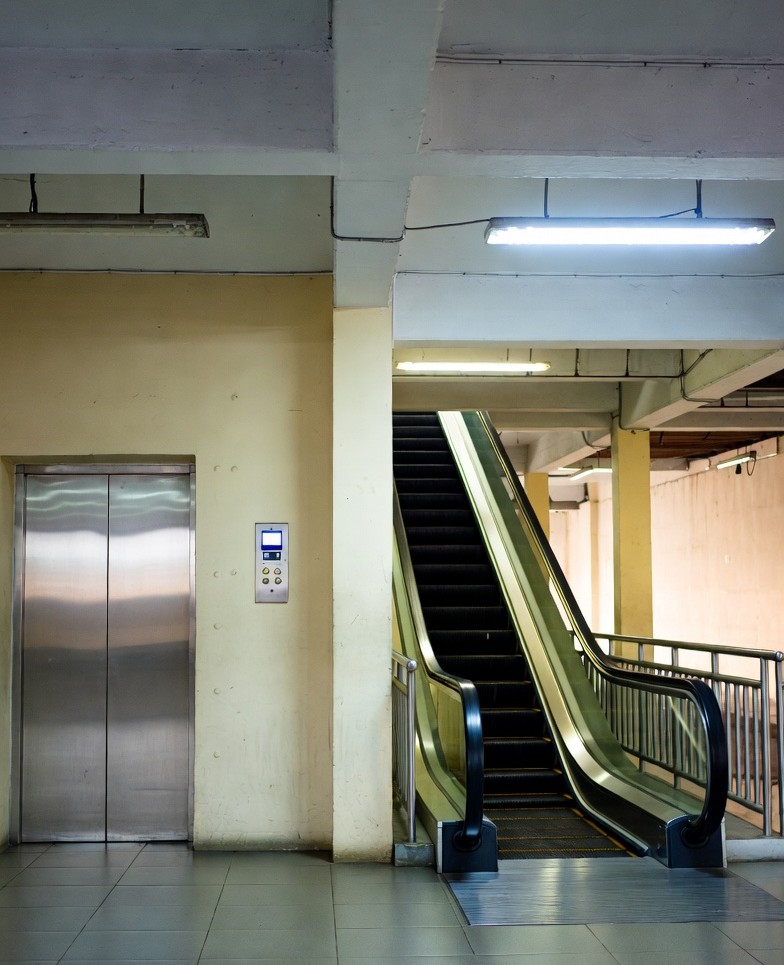
Going Up: Indonesia's Elevator and Escalator Market on a Steady ClimbA Story by Pujitha Reddy Indonesia's elevator and escalator market grows from 34K to 41K units by 2031. Discover how urbanization, transit projects, IKN Nusantara, AI integration, and aging demographics are driving vertical A Market Built on Urban GrowthAs Indonesia's cities grow taller and its population concentrates in dense metropolitan areas, the demand for vertical transportation is rising with them. The Indonesia elevator and escalator market, measured at 34,390 units in new installations in 2025, is projected to reach 41,400 units by 2031, growing at a CAGR of 3.09%. That steady growth reflects a market with deep and durable structural demand: a rapidly urbanizing population, a government investing aggressively in transit infrastructure and housing, a new national capital under construction in Kalimantan, and an aging demographic that is making elevators an accessibility necessity rather than a convenience. Against these long-term tailwinds, challenges including currency volatility, high installation costs, and skilled technician shortages are real but manageable. Know More : https://www.arizton.com/market-reports/indonesia-elevator-and-escalator-market Java Dominates, But the Geography Is ExpandingThe island of Java accounts for approximately 70% of total elevator and escalator demand, concentrated in Jakarta and the surrounding metropolitan area. This reflects the economic and demographic weight that Java carries within Indonesia's national geography: the highest population density, the greatest concentration of commercial real estate, and the most active residential construction market in the country. Jakarta's ongoing transformation into a more vertical urban environment, driven by land scarcity and population growth, is sustaining consistent demand for passenger elevators across high-rise residential towers, commercial office buildings, mixed-use developments, and the city's expanding retail mall stock. By Q1 2025, Jakarta's total mall floor space had already reached approximately 4.9 million square meters, with further additions including Lippo Mall East Side and the retail podium at Menara Jakarta scheduled for 2026. Beyond Java, the development of IKN Nusantara, Indonesia's new national capital being built in East Kalimantan, represents a significant long-term opportunity for vertical transportation suppliers. The development of government buildings, residential complexes, hotels, hospitals, and commercial infrastructure in an entirely new urban environment will require substantial elevator and escalator installations across multiple construction phases spanning years. Transit Infrastructure: A Structural Demand CatalystUrban rail expansion is creating a new and growing source of elevator and escalator demand that operates on its own timeline, separate from the residential and commercial real estate cycles. The Jakarta East to West MRT corridor, a 24.5 kilometer line with 21 stations, will require extensive escalator and elevator infrastructure to manage the passenger volumes that a major urban metro generates. The Greater Bandung LRT is developing elevated, high-capacity stations that need efficient vertical mobility solutions to connect platforms with street level. Expansion of MRT stations in Tangerang and the Surabaya Commuter Rail project, expected to begin in 2029, add further pipeline. For elevator and escalator suppliers, transit infrastructure projects offer large-volume, multi-year procurement opportunities from public sector clients with defined project timelines. The specifications for transit applications emphasize high duty cycles, accessibility compliance, and long operational lifespans, which tend to favor premium suppliers with strong maintenance and service capabilities. AI and Smart Technology: The Industry is Getting SmarterArtificial intelligence and IoT integration are transforming what elevator and escalator systems can do and how they are managed. Global players including KONE, Otis, Schindler, and Mitsubishi Electric are deploying AI-enabled systems that support predictive maintenance, remote diagnostics, real-time traffic optimization, and energy management. Predictive maintenance is perhaps the most commercially significant application. By analyzing sensor data from operating equipment, AI systems can identify developing mechanical issues before they cause failures, enabling targeted maintenance interventions that reduce downtime and extend equipment life. For building owners managing multiple units across large commercial or residential properties, the operational cost savings and reliability improvements are meaningful. Otis' Gen3 Core modernization solutions and KONE's Renaissance program both illustrate how leading manufacturers are using technology not just as a selling point for new installations but as a pathway to deepen and extend service relationships with existing building portfolios. For Indonesia's substantial installed base of older equipment, AI-enabled modernization presents a significant opportunity for suppliers with established market presence. Demographic Shift: Elevators as Accessibility InfrastructureIndonesia's population is aging. The share of citizens aged 65 and older is projected to rise from approximately 11.93% in 2025 to 20.9% by 2050. This demographic transition is reshaping how elevators and escalators are perceived, from mobility conveniences to essential accessibility infrastructure. As the elderly population grows, the demand for barrier-free mobility across residential buildings, healthcare facilities, public transportation hubs, and commercial spaces will intensify. Accessibility regulations and inclusive design policies are already encouraging installations in building types that would previously not have included elevator systems. Older equipment is also being modernized or replaced to meet updated safety and accessibility standards, adding a retrofit demand layer to the market's new installation growth. Machine-Room-Less Elevators Lead the Product SegmentAmong elevator types, machine-room-less systems hold one of the largest installation shares, growing at a CAGR of 3.33% through 2031. MRL elevators eliminate the need for a dedicated machine room above the shaft, saving valuable floor area in buildings where every square meter carries commercial value. Their compact design, energy efficiency, and compatibility with mid-rise and low-rise building typologies make them particularly well-suited to Indonesia's residential and commercial construction landscape. KONE's MonoSpace DX powered by its EcoDisc hoisting motor and TK Elevator's meta and enta MRL series both illustrate how leading manufacturers have developed differentiated MRL products for specific market segments, from residential and hospitality applications to high-traffic transit hubs capable of handling loads up to 5,000 kilograms. Passenger elevators account for the largest share by carriage type, reflecting their universal application across residential, commercial, and mixed-use buildings. The 2 to 15 person capacity segment recorded the largest incremental growth in new installations during the forecast period, driven by its alignment with mid-rise residential and commercial development formats that dominate Indonesia's urban construction pipeline. Residential buildings accounted for the largest end-user segment by new installations in 2025. Government housing programs, including the Housing Credit Program with $7.7 billion in allocated funding for 2026, are stimulating housing development across Indonesia and directly increasing demand for residential elevator installations in the mid-rise and higher-density projects that urban land constraints are encouraging. Parallel Escalators Lead Commercial ApplicationsIn the escalator segment, parallel escalators recorded the largest new installation volumes and the highest incremental growth through 2031. Commercial applications dominate end-user demand, reflecting the central role that escalators play in managing vertical passenger flow across shopping malls, airports, transit hubs, hotels, and integrated mixed-use developments. The ongoing modernization of Jakarta's existing mall stock illustrates a significant maintenance and replacement demand layer sitting alongside new installation growth. Otis Indonesia's 2025 contract to modernize 39 vertical transport units at Millennium Mall in central Jakarta, including replacing 25 escalators, demonstrates the scale of retrofit work that Indonesia's substantial installed commercial base is beginning to require. Challenges: Currency Volatility and Cost PressuresIndonesia's reliance on imported elevator components creates direct exposure to exchange rate movements. The rupiah's weakening in early 2026, continuing a depreciation trend from 2025, directly increased the cost of imported components from major supplier markets including China and Thailand. This currency pressure is making developers more price-sensitive, prompting project delays, phased installations, and a preference for maintenance over modernization in some budget-constrained situations. High upfront installation costs driven by imported components, specialized construction requirements, regulatory compliance, and skilled technician shortages add further friction, particularly for smaller developers and public infrastructure projects operating within fixed budgets. Despite these headwinds, Indonesia's long-term structural demand fundamentals remain intact and compelling. © 2026 Pujitha Reddy |
Stats
13 Views
Added on March 31, 2026 Last Updated on March 31, 2026 |

 Share This
 Email
Email Facebook
 Twitter
 Read Request
 My Library
 Subscribe
 Flag Writing