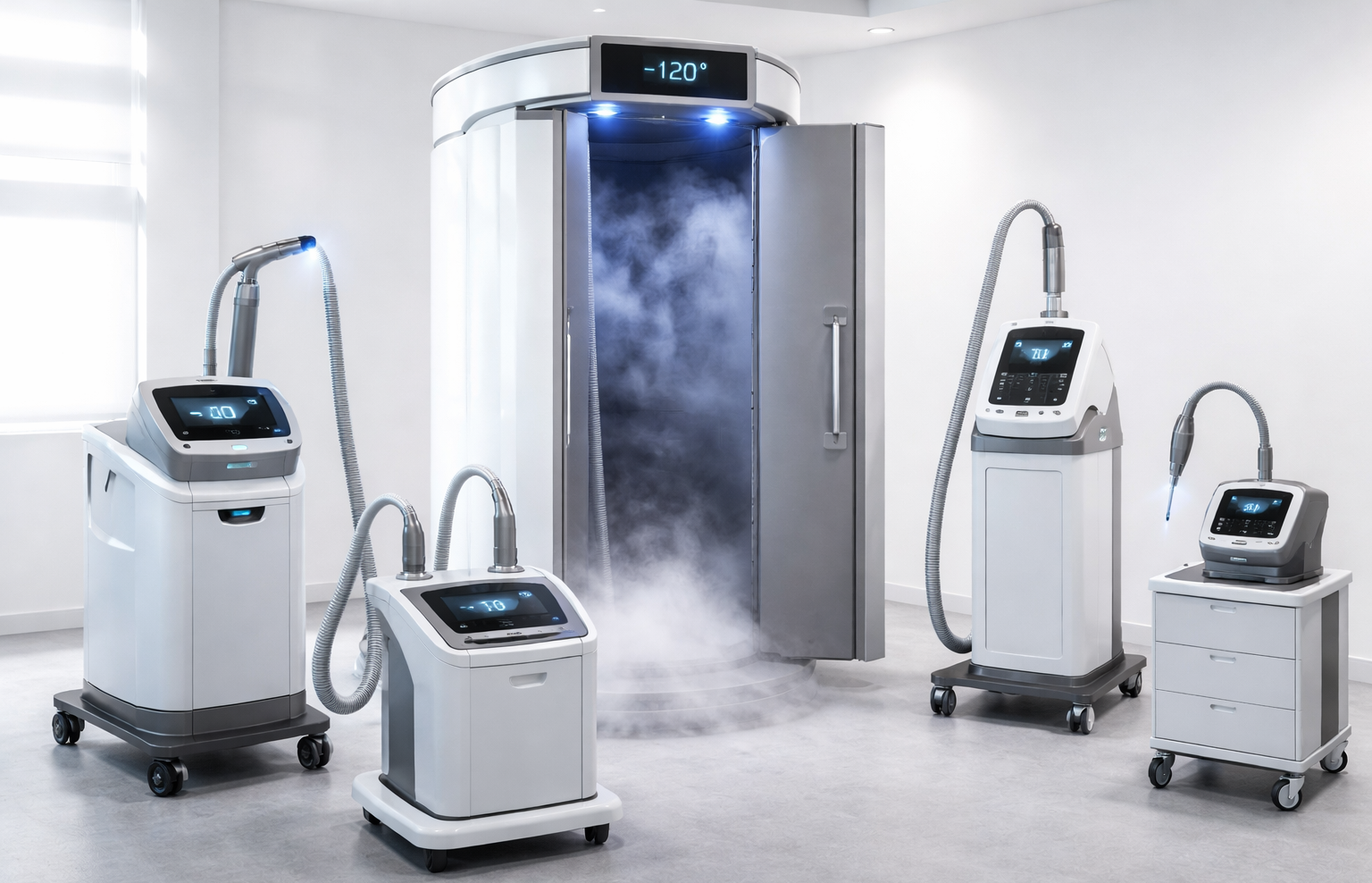
Cold Therapy, Hot Market: The Rise of Cryotherapy DevicesA Story by Pujitha Reddy The global cryotherapy device market heads to $4.28B by 2030. Explore how electric chambers, AI integration, sports recovery demand, and aesthetic applications are driving this 6.5% annual growth From Niche Recovery Tool to Mainstream HealthcareA few years ago, cryotherapy was largely the preserve of elite professional athletes stepping into nitrogen-cooled chambers after training sessions. Today, it is showing up in dermatology clinics, oncology suites, wellness spas, home recovery units, and fitness studios serving weekend athletes and corporate wellness programs alike. The global cryotherapy device market, valued at $2.93 billion in 2024, is projected to reach $4.28 billion by 2030, growing at a CAGR of 6.50%. This growth reflects a technology that has successfully crossed multiple category boundaries, moving from specialized sports medicine into clinical healthcare, aesthetic medicine, and consumer wellness simultaneously. Know More : https://www.arizton.com/market-reports/cryotherapy-devices-market What Is Driving the DemandThree forces are converging to expand the cryotherapy device market consistently across the forecast period. The first is rising medical need. Conditions including chronic pain, cancer, and skin disorders are all generating clinical demand for cryotherapy as either a primary or complementary treatment. According to the U.S. Centers for Disease Control and Prevention, 24.3% of American adults reported chronic pain in 2023. Cryotherapy's ability to provide pain relief and reduce inflammation without pharmaceutical dependency makes it an increasingly attractive clinical option. In oncology, cryoablation is being used to treat tumors in the kidney, liver, and prostate with precision and minimal invasion, offering patients shorter recovery periods and lower procedural risk than conventional surgery. The second driver is sports and fitness culture. Professional teams, elite athletes, and an expanding community of amateur fitness enthusiasts are using whole-body and localized cryotherapy to accelerate muscle recovery, reduce post-exercise inflammation, and manage injury. As wellness culture expands globally, more gyms, physiotherapy clinics, and recovery centers are installing cryotherapy equipment as a standard facility offering rather than a premium differentiator. The third driver is aesthetic demand. Cryo-facials and localized skin treatments are growing rapidly as consumers seek non-invasive alternatives to cosmetic procedures. Cold therapy's ability to tighten skin, reduce inflammation, improve circulation, and support anti-aging outcomes is attracting interest from spas, dermatology practices, and medispas serving both millennial and older consumer demographics. Electric Chambers: Safety and Simplicity Reshaping the MarketThe most significant product innovation reshaping the cryotherapy device market is the shift from nitrogen-based systems to electrically powered chambers. Traditional cryochambers use liquid nitrogen or argon to achieve extreme temperatures, creating safety concerns related to oxygen displacement, burn risk, and the logistical complexity of sourcing and handling cryogenic gases. Electric cryochambers eliminate these challenges entirely. They plug in, cool electrically, deliver consistent and controlled temperature settings without gas, and operate with automated cycles, touchscreen controls, and real-time monitoring systems that make them accessible to wellness professionals without specialized technical training. CryoBuilt's March 2025 launch of the Polaris Cryo Chamber, the first fully electric, plug-and-play cryotherapy solution designed for sports and wellness facilities, illustrates how the industry is responding to this demand. The product requires no specialized installation infrastructure, lowering the barrier to adoption for facilities that previously could not justify the complexity of nitrogen-based systems. CryoClinix Limited's April 2025 partnership with Chillybox to bring a low-power domestic cryotherapy chamber to market signals another frontier: the home recovery space, where consumers are investing in personal wellness infrastructure that was previously only available in clinical or commercial settings. AI and Smart Technology: Personalization at ScaleThe integration of artificial intelligence and smart technology is transforming how cryotherapy devices are used, monitored, and optimized. Modern high-end systems now incorporate biometric tracking, real-time temperature control, cloud-based performance analytics, mobile app integration, and AI-driven treatment personalization that adjusts protocols based on individual user data and outcomes. For clinical and commercial operators managing high volumes of treatments across multiple users, AI-enabled equipment reduces the manual oversight burden, ensures protocol consistency, and generates outcome data that supports both clinical decision-making and service quality improvements. Predictive maintenance features also alert operators to potential equipment issues before failures occur, reducing downtime and extending equipment lifespan. For individual users, app-connected systems that track treatment history, monitor biometric responses, and recommend protocol adjustments create a more personalized and engaging wellness experience. This kind of technology integration is repositioning cryotherapy as a data-driven health and recovery practice rather than simply a temperature treatment. Cryochambers Lead the MarketCryochambers account for over 51% of the global cryotherapy device market, reflecting their centrality to both clinical and wellness applications. Their capacity to deliver whole-body treatment, combined with improving safety profiles through electric technology and advanced monitoring systems, makes them the preferred choice for professional sports facilities, wellness centers, physiotherapy clinics, and hospitals. The non-medical and therapeutic segment is the fastest-growing application category at a CAGR of 6.86%, driven by the expansion of cryotherapy into cosmetics and aesthetics, weight management, and sports recovery settings outside of formal clinical environments. Wellness clinics, aesthetic centers, fitness studios, and premium spas are all expanding their cryo-based service offerings to meet growing consumer demand for non-invasive, natural-feeling wellness interventions. Healthcare remains the largest end-user segment, encompassing hospitals, oncology centers, dermatology practices, and physiotherapy facilities where cryotherapy is used for tumor ablation, skin lesion removal, pain management, and post-surgical rehabilitation. North America Leads, With Global Expansion FollowingNorth America dominates the global cryotherapy device market with over 44% share, supported by a well-developed healthcare infrastructure, a strong sports and wellness culture, and high consumer receptiveness to non-surgical and technology-driven health solutions. The biohacking and quantified self movements among millennials and Gen Z are driving particularly strong demand for recovery technologies including cryotherapy in the United States, where the market is the most mature and diverse in the world. The wellness economy more broadly, including anti-aging, aesthetic, and fitness wellness applications, is generating commercial demand that extends well beyond clinical settings. Aesthetic clinics, medispas, and luxury fitness facilities across North America are all deploying cryotherapy equipment as part of their core service offerings. Challenges to Broader AdoptionSafety concerns associated with incorrect use of cryotherapy equipment remain a barrier to faster mainstream adoption. Risks including burns, frostbite, nerve damage, and hypothermia, while manageable with proper protocols and trained operators, create hesitation among healthcare professionals and wellness practitioners who lack confidence in safe operational procedures. The shift toward electric systems with automated safety features is progressively addressing this concern. High upfront investment costs for whole-body chambers and advanced localized units continue to limit adoption among smaller operators and budget-constrained facilities. Recurring operational costs including maintenance, calibration, and consumables add to the total cost of ownership that operators must weigh against revenue potential. The Competitive LandscapeThe cryotherapy device market features a mix of established global manufacturers and emerging regional innovators. Boston Scientific Corporation, Medtronic, MECOTEC, Zimmer MedizinSysteme, Metrum Cryoflex, and Cryo Innovations hold significant market positions, competing on technological capability, product breadth, and service infrastructure. Smart technology integration is the primary competitive battleground, with manufacturers embedding biometric tracking, cloud analytics, and mobile app control to differentiate their offerings. Multi-room chambers, AI-integrated systems, and hybrid models that serve both clinical and wellness applications are being developed to capture the broadest possible customer base. © 2026 Pujitha Reddy |
Stats
8 Views
Added on March 31, 2026 Last Updated on March 31, 2026 |

 Share This
 Email
Email Facebook
 Twitter
 Read Request
 My Library
 Subscribe
 Flag Writing