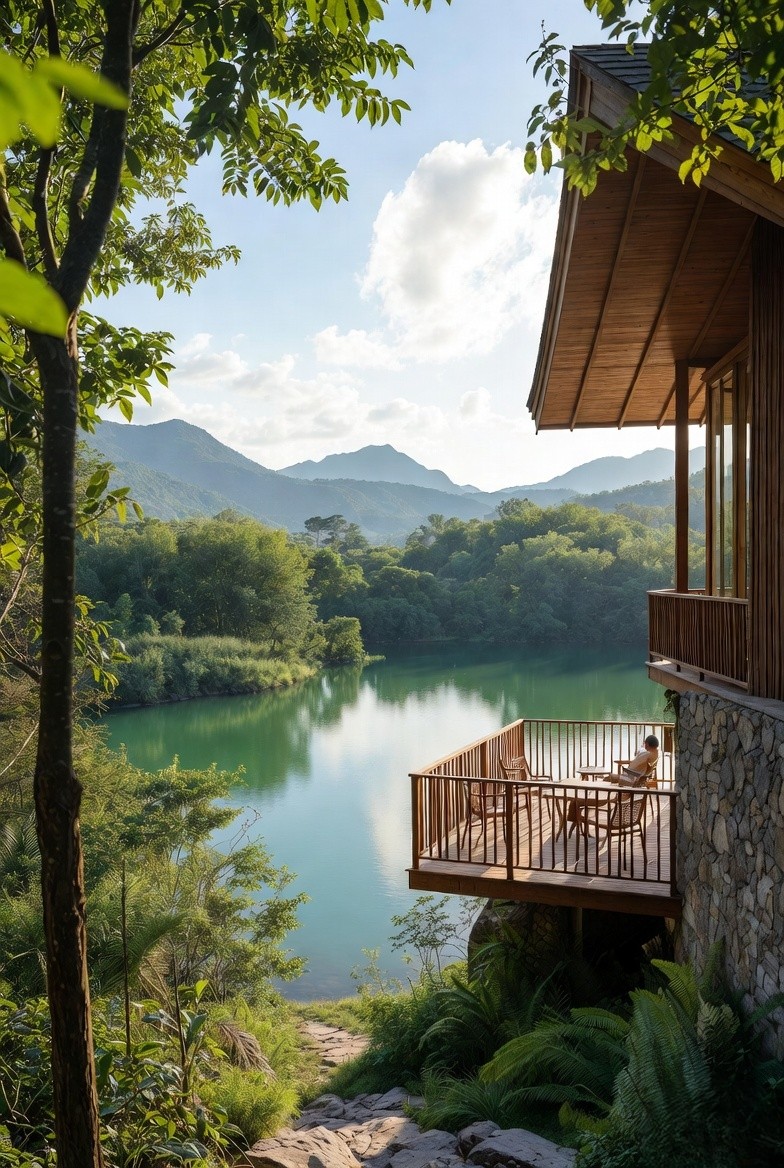
Travel With Purpose: The Global Wellness Tourism Market Reaches for $1.68 TrillionA Story by Pujitha Reddy The global wellness tourism market grows to $1.68T by 2030. Explore how nature-based travel, personalized health journeys, mental wellness retreats, and APAC's ancient healing traditions are reshaping A Different Kind of JourneyPeople have always traveled for rest. But rest is not what drives the wellness tourism market. What drives it is something more intentional: the deliberate choice to travel in a way that improves how you feel, how you function, and how you relate to your own body and mind. Whether that means a week-long Ayurveda retreat in Kerala, a forest bathing program in Japan's hinoki groves, a cold plunge and breathwork retreat in Iceland, or simply choosing a hotel with a serious fitness facility and a farm-to-table restaurant instead of a standard buffet, wellness tourism encompasses the full spectrum of travel where personal wellbeing is part of the journey, not an afterthought. The global wellness tourism market, valued at $954.11 billion in 2024, is projected to reach $1.68 trillion by 2030, growing at a CAGR of 9.90%. This near-doubling of market size over six years reflects a travel industry being reshaped from the inside out by consumers who are no longer willing to separate how they live from how they travel. Know More : https://www.arizton.com/market-reports/wellness-tourism-market Post-Pandemic Acceleration: Health as Travel PriorityThe COVID-19 pandemic did not create wellness tourism. But it accelerated it dramatically. The experience of extended lockdown, disrupted routines, elevated anxiety, and confrontation with mortality pushed health and wellbeing from background considerations to front-of-mind priorities for consumers worldwide. The pandemic intensified an already-building trend toward self-care, preventive health, and the kind of mental and emotional renewal that conventional leisure travel does not reliably provide. Travelers emerged from the pandemic more aware of what their bodies and minds need, more willing to invest in experiences that address those needs, and more discerning about the difference between travel that merely entertains and travel that genuinely restores. This shift has not retreated with the easing of health restrictions. If anything, it has become more embedded in how a significant and growing segment of travelers approach every trip. Nature First: The Outdoor Wellness MovementOne of the most powerful growth trends in wellness tourism is the demand for nature-based experiences that reconnect travelers with the natural world. Forest bathing, guided wilderness hiking, ocean swimming, mountain meditation, and eco-tour programs that situate wellness within ecologically significant landscapes are all growing rapidly. This trend has two complementary drivers. The first is scientific: research consistently demonstrates that exposure to natural environments reduces cortisol levels, lowers blood pressure, improves sleep quality, and enhances mood in ways that built environments cannot replicate. The second is cultural: as urban populations grow and screen time increases, the experience of genuine natural immersion is becoming both rarer and more valued. For destinations, nature-based wellness represents an opportunity to draw high-spending visitors to areas that have not traditionally been major tourism hubs, distributing economic benefit more broadly while protecting culturally significant or ecologically sensitive sites from the over-tourism pressures that concentrate around conventional attractions. For accommodation providers, the shift means investing in design and programming that uses natural assets effectively: outdoor thermal bathing facilities, forest trail networks, locally foraged ingredient menus, and the kinds of architectural choices that blur the boundary between interior comfort and natural environment. Personalization: From Program to JourneyStandard wellness packages that deliver the same spa menu and fitness schedule to every guest regardless of their specific needs, goals, or health status are losing relevance. The market is moving toward personalized wellness journeys that treat each traveler as an individual with a unique constellation of physical, mental, and lifestyle factors. Advanced wellness properties are offering pre-arrival consultations that inform personalized program design, integrating health assessments, biometric testing, and functional nutrition analysis into their services. Mental wellness programming, specialized dietary interventions, longevity-focused protocols, and culturally rooted healing traditions are all expanding the menu of personalization options available to wellness travelers. This demand for customization is transforming what hospitality businesses need to offer. Investment in professional expertise, practitioner diversity, adaptive program design, and the technology to track and respond to individual guest outcomes is increasingly the price of entry in the premium wellness travel segment. The Secondary Traveler: The Market's Largest SegmentA common misconception about wellness tourism is that it consists primarily of dedicated health retreat guests who travel with wellness as their sole purpose. The reality is quite different. The secondary wellness traveler segment, where wellness is a meaningful but not primary purpose of travel, is both the largest and the fastest-growing category, projected to grow at a CAGR of 10.03% through 2030. Secondary wellness travelers are business travelers who book hotels with serious fitness facilities. They are leisure travelers who choose a wine region holiday and happen to book a morning yoga class and a biodynamic wine-pairing dinner. They are family vacationers who choose a resort partly because it offers a spa and healthy dining alongside the beach and pool. This group is far larger than the primary wellness traveler market, and while they spend somewhat less per trip on wellness-specific activities, the sheer volume of their participation makes their collective contribution to the market enormous. Every hotel, airline, destination, and travel brand that can integrate credible wellness offerings into its broader proposition is accessing this market. Domestic Travel: The Overlooked DriverThe wellness tourism market is dominated by domestic travel rather than international. In North America, APAC, and Europe alike, domestic wellness trips represent the majority of wellness tourism volume. The convenience of domestic travel, the lower cost relative to international alternatives, and the ability to access increasingly sophisticated wellness destinations within driving or short-flight distance of major population centers all support this pattern. Domestic wellness tourism also recovered faster from the pandemic than international travel, surpassing pre-pandemic levels by 2023. For destinations, practitioners, and accommodation providers, the domestic market represents a more stable and accessible revenue base than international visitor flows that are subject to currency, geopolitical, and logistical variability. Lodging at the CenterLodging accounts for over 23% of the global wellness tourism market by service category, reflecting its role as the anchoring element of any wellness travel experience. A traveler can choose wellness-aligned food and wellness activities independently, but their accommodation choice profoundly shapes what kind of wellness journey is possible. Destination spas and health resorts offer the most immersive experience, combining residential programs with professional wellness guidance in settings designed entirely around health outcomes. Wellness hotels integrate spa services, fitness facilities, healthy cuisine, and sleep-focused room design into a broader hospitality offering. Ashrams and meditation retreats, particularly in India and Southeast Asia, serve travelers seeking spiritual depth and traditional practice. Even mainstream hotel brands are integrating wellness programming into their offerings, from sleep tourism packages that optimize rooms and dining for rest quality to in-room wellness menus featuring guided meditation, stretching sequences, and recovery tools. © 2026 Pujitha Reddy |
Stats
9 Views
Added on April 8, 2026 Last Updated on April 8, 2026 |

 Share This
 Email
Email Facebook
 Twitter
 Read Request
 My Library
 Subscribe
 Flag Writing