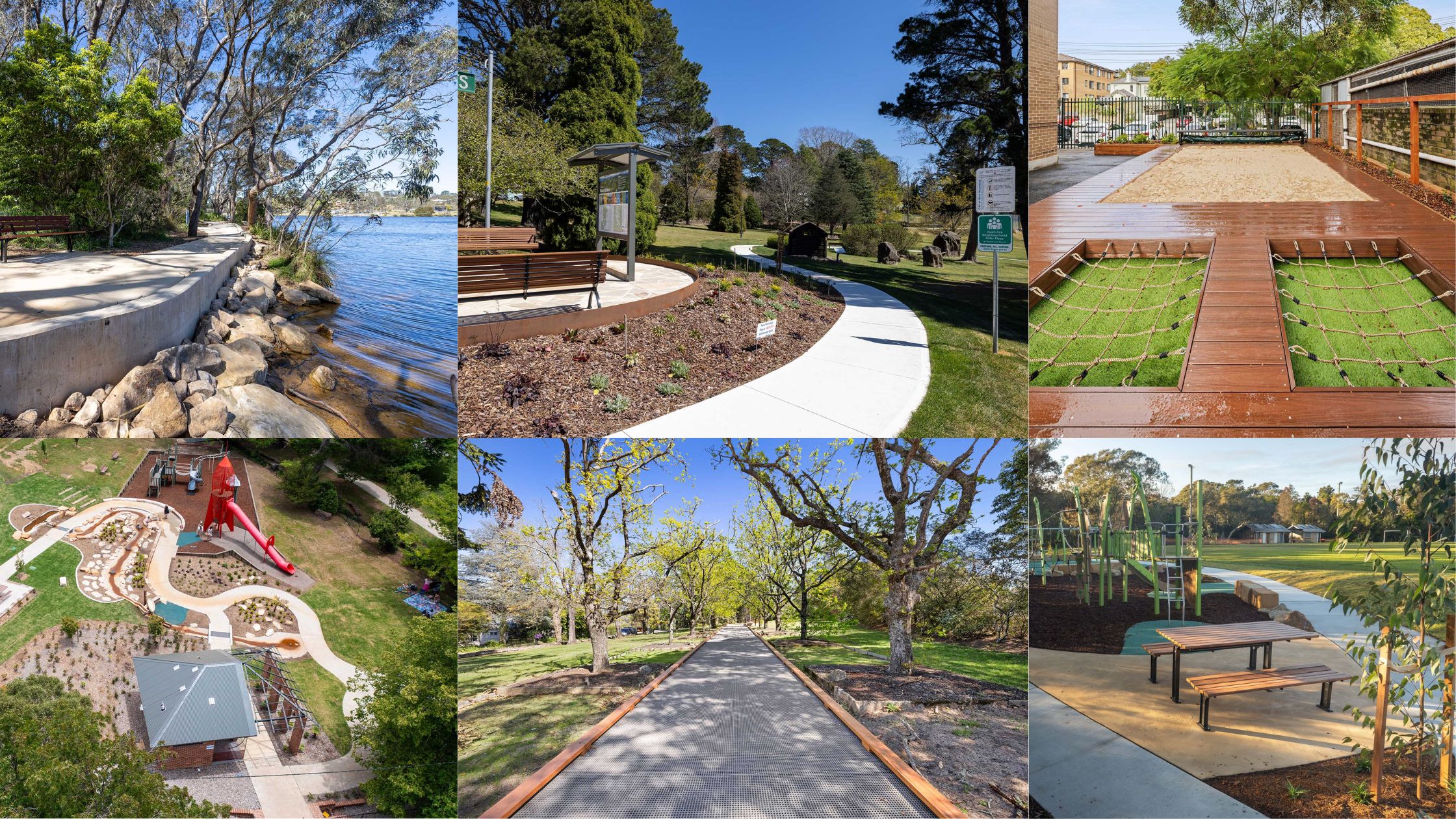
Government Projects: Civil Landscaping Best Practice GuideA Story by Better View Landscapes Better View Landscapes specialises in Commercial & Government Landscape Construction across Sydney and NSW, delivering trusted outdoor spaces. Civil landscaping plays a critical role in shaping Australia’s public spaces, from transport corridors and civic precincts to parks, schools, hospitals, and government facilities. For government projects, landscaping is not just about aesthetics�"it is about compliance, durability, sustainability, public safety, and long-term value for taxpayers. This best practice guide explores how government civil landscaping projects in Australia are planned, delivered, and maintained to meet strict regulatory standards while achieving functional and environmental outcomes. Understanding Government Civil Landscaping in AustraliaGovernment civil landscape construction involves large-scale, regulation-driven works delivered for local councils, state authorities, and federal agencies. These projects often form part of infrastructure developments such as roads, public buildings, urban renewal programs, and community spaces. Unlike private developments, government landscaping must meet tender specifications, environmental legislation, workplace safety requirements, and accessibility standards. The focus is on long-term performance, low maintenance, and environmental responsibility rather than short-term visual appeal. Planning & Design: The Foundation of Best PracticeEffective civil landscaping begins with thorough planning and site analysis. Australian government projects require landscape designs that respond to climate conditions, soil types, drainage patterns, and existing ecosystems. Designs must align with council development control plans, environmental management plans, and Australian Standards. Incorporating native and drought-tolerant plant species is considered best practice, as these plants reduce water usage, improve resilience, and support local biodiversity. Early collaboration between landscape architects, civil engineers, and government stakeholders ensures that landscape works integrate seamlessly with surrounding infrastructure, utilities, and pedestrian networks. Compliance & Regulatory StandardsCompliance is non-negotiable in government civil landscaping. Contractors must adhere to regulations covering erosion control, sediment management, stormwater quality, and tree protection. Accessibility compliance under the Disability Discrimination Act (DDA) is also essential. Pathways, ramps, tactile indicators, and seating areas must be designed to provide safe and inclusive access for all members of the community. Environmental approvals often require strict monitoring and reporting, particularly for projects near waterways or protected land. Best-practice landscaping prioritises soil stabilisation, minimal site disturbance, and environmentally sensitive construction methods. Sustainability in Government Landscape ConstructionSustainability is a key driver of public sector landscaping across Australia. Government agencies increasingly require environmentally responsible solutions that reduce operational costs and environmental impact over time. This includes the use of water-efficient irrigation systems, permeable paving, recycled materials, and low-maintenance landscape elements. Well-designed civil landscapes improve urban cooling, reduce heat island effects, and support long-term climate resilience. By selecting robust materials and plants suited to Australian conditions, government landscapes remain functional and visually appealing with minimal intervention. Construction Quality & Risk ManagementHigh-quality workmanship is essential for civil landscaping projects with long design lives. Government assets are expected to perform reliably for decades, making construction quality a critical success factor. Best practice includes proper soil preparation, correct installation of hardscape elements, and strict quality control during planting and finishing works. Safety management is equally important, with contractors required to follow comprehensive WHS procedures to protect workers and the public. Clear documentation, site inspections, and staged handovers help ensure that landscaping works meet specifications and contractual obligations. Maintenance & Lifecycle PerformanceA well-executed government landscape is designed with maintenance in mind. Councils and asset managers look for landscapes that are easy to maintain, cost-effective, and durable under heavy public use. This includes selecting plant species with predictable growth habits, installing robust edging and pavements, and designing irrigation systems that are easy to monitor and adjust. Thoughtful maintenance planning reduces long-term costs while preserving safety and visual quality. Lifecycle performance is a key measure of success in government civil landscaping, making early design decisions critical. Why Best Practice Matters for Public SpacesCivil landscaping influences how communities experience public spaces. Well-designed government landscapes improve safety, encourage social interaction, enhance environmental outcomes, and increase public trust in infrastructure investment. By following best practices in planning, compliance, sustainability, and construction, government landscaping projects deliver long-term value while meeting the expectations of regulators and the community alike. ConclusionGovernment civil landscaping in Australia demands a balance between compliance, sustainability, functionality, and community benefit. By following best-practice principles, public sector projects can create resilient, attractive, and cost-effective landscapes that stand the test of time.Frequently Asked Questions (FAQ)What is civil landscaping in government projects?Civil landscaping refers to large-scale landscape works delivered as part of public infrastructure projects, including roads, parks, civic spaces, schools, and government facilities. Why are native plants preferred in government landscaping?Native plants are better adapted to Australian climates, require less water, and support local ecosystems, making them ideal for sustainable public landscapes. What regulations apply to government civil landscaping in Australia?Projects must comply with environmental legislation, Australian Standards, council planning controls, workplace safety laws, and accessibility requirements. How does civil landscaping support sustainability goals?Through water-efficient design, erosion control, urban cooling, and long-lasting materials, civil landscaping reduces environmental impact and operational costs. What makes a government landscape low maintenance?Careful plant selection, durable materials, efficient irrigation systems, and practical design layouts all contribute to reduced maintenance needs. Why is accessibility important in public landscaping?Government spaces must be inclusive and safe for all users, including people with disabilities, in line with Australian accessibility standards. How long do government civil landscaping projects last?When designed and built correctly, public landscapes are expected to perform effectively for decades with routine maintenance. © 2026 Better View Landscapes |
Stats
12 Views
Added on January 10, 2026 Last Updated on January 10, 2026 Author
Better View LandscapesAlexndaria, New South Wales, AustraliaAboutFor more than a decade, we have been building and maintaining projects all over Greater Sydney and New South Wales including parks, playgrounds, town centres, regeneration, education precincts and sch.. more.. |

 Share This
 Email
Email Facebook
 Twitter
 Read Request
 My Library
 Subscribe
 Flag Writing