
Ecological Appendix II – Eastern Coast: Aqualis NavigatorsA Chapter by HaleyB
Currentback (Cyprinus fluxa)
Classification: Mid-sized schooling fish, 0.8-1 m Morphology: Shimmering silver-blue scales with faint energy-reflective streaks. Behavior: Swim along coastal currents; feed on microalgae and plankton. Ecological Role: Aid nutrient cycling; schools’ movement generates micro-currents that keep water aerated. Notes: Juveniles often raised in floating aquaculture pens; populations monitored as indicators of coastal health. 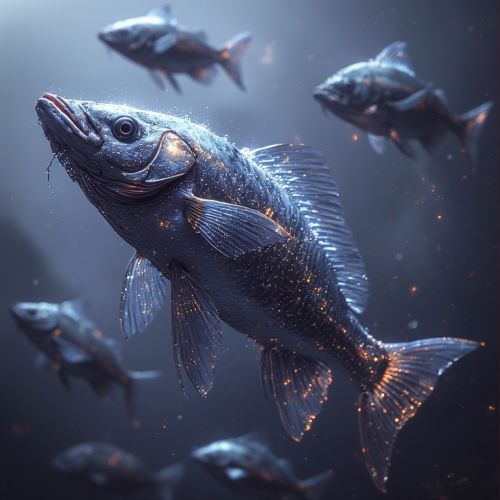 - Mistwing (Ardea nebulis) Classification: Large wading birds, wingspan 1.5 m Morphology: Silvery plumage with iridescent trailing feathers; semi-transparent wing tips. Behavior: Hunt shallow waters at dawn/dusk; follow tidal and wind currents. Ecological Role: Control small fish and insect populations; their flight patterns signal weather and current shifts. Notes: Flocks often guide gliders along safe coastal corridors. 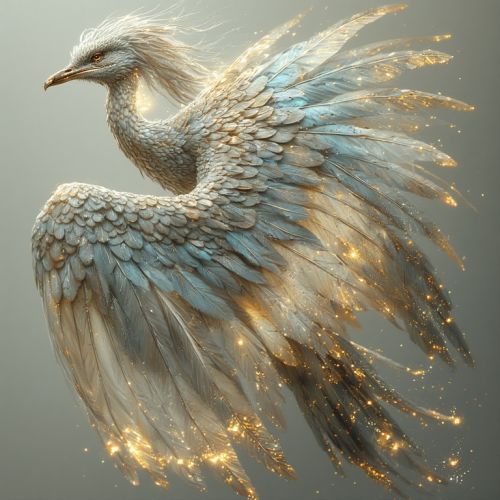 - Rippleback (Lutra undulata) Classification: Semi-aquatic mammal, ~1.5 m Morphology: Sleek, furred bodies with webbed limbs; tails decorated with energy-sensitive patterns. Behavior: Swim in tidal channels; manipulate small crystal nodes to maintain water flow and cleanliness. Ecological Role: Maintain aquatic plant beds; prevent overgrowth of Bloom-influenced algae. Notes: Considered sacred helpers; trained juveniles assist in ceremonial water cleaning. 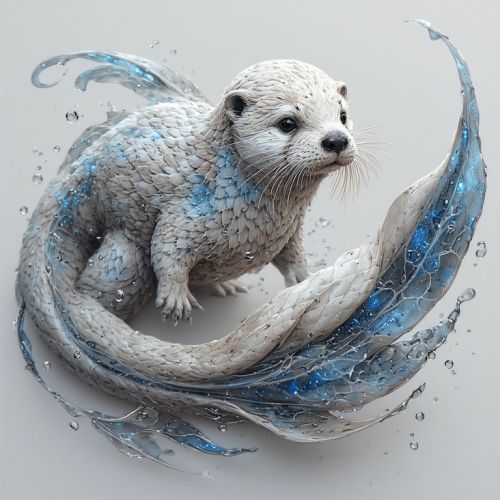 - Tidefire (Medusa ignis) Classification: Semi-sentient gelatinous organism Morphology: Translucent bell with pulsing bioluminescence; short stinging tendrils. Behavior: Drifts with currents; responds to magical pulses from floating energy conduits. Ecological Role: Helps circulate nutrients and magical energy; occasional hazard to careless Navigators. Notes: Tied into seasonal equinox rituals; observed closely for energy fluctuations.  - Windfin (Draconella ventus) Classification: Small flying fish, 25-30 cm Morphology: Wing-like fins adapted to gliding short distances above water; scales shimmer with twin-sun reflection. Behavior: Leap above waves, glide between tidal streams and floating platforms. Ecological Role: Spread seeds of floating plants; prey for larger coastal birds. Notes: Their flight timing is used in energy network calibration; arrival signals optimal wind-current alignment.  - Floating Shard Lotus Array (Nymphaea aeris) Classification: Semi-sentient aquatic plant Morphology: Large, circular leaves with solar-reflective centers; flowers open during twin-sun peak. Behavior: Leaves adjust orientation to maximize sunlight; roots provide anchoring for small fauna. Ecological Role: Oxygenates water; stabilizes floating farms; flowers provide nectar for aerial insects. Notes: Core of ceremonial offerings during Water Harvesting Ceremony. 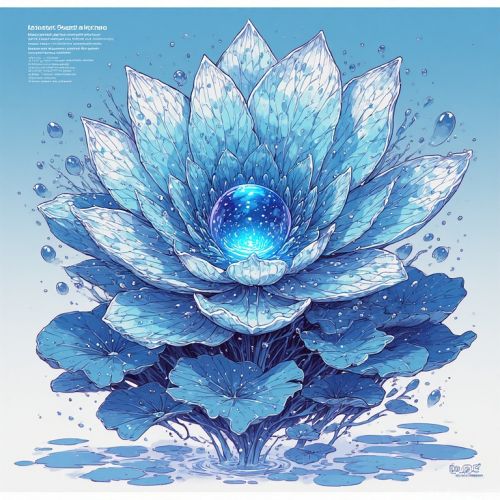 - Coralvine Lattice (Vitis corallina) Classification: Bioluminescent climbing plant Morphology: Tendrils grow along pilings and floating walkways; produce subtle energy pulses. Behavior: Integrates naturally with crystal and solar energy conduits. Ecological Role: Supports structural stability; provides living conduits for energy transfer. Notes: Pruning must be carefully scheduled to avoid overloading energy grids. 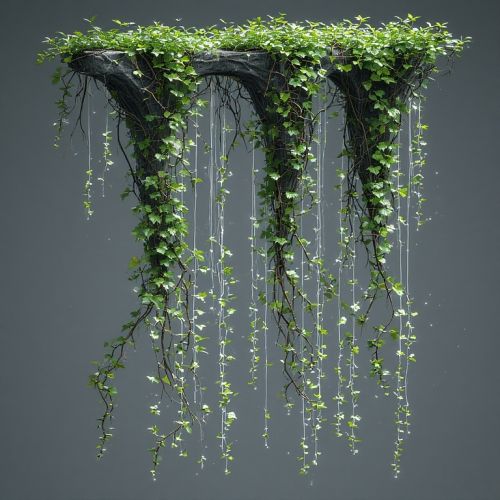 - Tide Lantern Lichen (Lichen luminae) Classification: Glow-influenced lichenBehavior: Tracks energy flow; pulses dim or brighten depending on water and magical currents. Ecological Role: Natural night lighting; monitors ecosystem stability. Notes: Used as a guide for safe glider and boat navigation; part of Aqualis ceremonial displays.  - Bloombrush Reeds (Phragmites lumina) Morphology: Tall reed clusters with tips that glow faintly in response to Bloom residues. Behavior: Absorbs excess magical energy from water and air; spreads in shallow lagoons. Ecological Role: Keeps waterways stable; prevents uncontrolled Bloom growth. Notes: Harvested sparingly for festival decoration; overharvesting reduces ecosystem filtering. 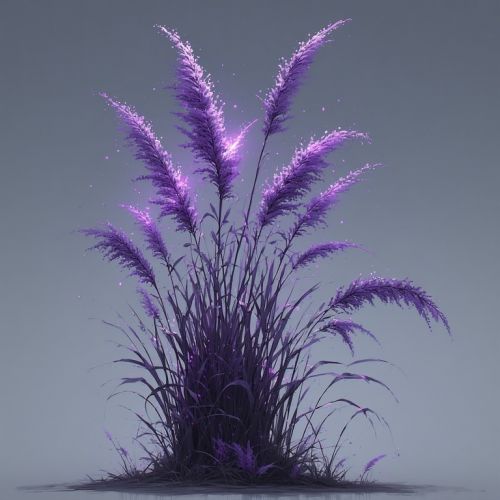 © 2025 HaleyB |
Stats
229 Views
Added on August 22, 2025 Last Updated on August 22, 2025 |
 prev chapter

 Share This
 Email
Email Facebook
 Twitter
 Read Request
 My Library
 Subscribe
 Flag Writing